And Koji Culture
This entry is a label phrase. See the main ingredient page: Koji Culture.
What is And Koji Culture?
Koji culture is a starter culture made from a grain, typically rice or soybeans, that has been inoculated with the mold Aspergillus oryzae. This mold is a key ingredient in the fermentation of many traditional East Asian foods. The mold breaks down starches and proteins into sugars and amino acids, creating unique flavors and aromas.
Is And Koji Culture vegan?
And Koji Culture is not animal-derived. Products that contain it can still include other animal-derived ingredients, so check the full ingredient list.
Is And Koji Culture gluten-free?
Gluten may be present if the koji is cultured on wheat or barley.
Is And Koji Culture a major allergen?
Koji culture itself is not a major allergen.
What is And Koji Culture used for?
Koji is used as a fermentation starter for products like soy sauce, miso, sake, and rice vinegar.
Is And Koji Culture safe?
Koji culture is generally recognized as safe (GRAS) by the FDA for use in food.
Why it's used
Koji is used as a fermentation starter for products like soy sauce, miso, sake, and rice vinegar. It acts as a natural flavor enhancer, tenderizer, and can contribute to the umami taste in foods. It is most commonly found in fermented sauces and pastes, particularly those with an Asian or ethnic profile.
Health notes
Koji culture is generally recognized as safe (GRAS) by the FDA for use in food. It is a natural product of fermentation and is a staple in many diets. Regulatory bodies like EFSA have evaluated fermentation processes and ingredients. While generally considered safe, like any fermented food, it can be a source of beneficial compounds.
Allergen info
Koji culture itself is not a major allergen. However, if it is grown on a substrate like soy or wheat, those ingredients would be present. Gluten may be present if the koji is cultured on wheat or barley.
Foods that contain And Koji Culture
Compare products →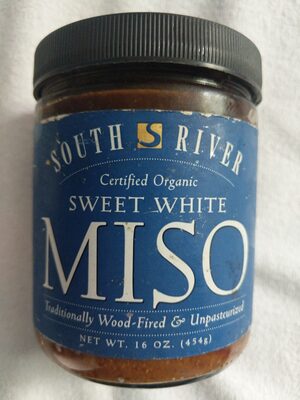 South River Miso Co. Inc.
Sweet White Miso
300kcal
20Protein
0Fat
40Carbs
South River Miso Co. Inc.
South River, Chickpea Miso
167kcal
0Protein
0Fat
33.3Carbs
South River Miso Co. Inc.
South River, Dandelion Leek Miso
167kcal
16.7Protein
0Fat
16.7Carbs
South River Miso Co. Inc.
Three - Year Barley Miso
167kcal
16.7Protein
0Fat
16.7Carbs
South River Miso Co. Inc.
Sweet White Miso
300kcal
20Protein
0Fat
40Carbs
South River Miso Co. Inc.
South River, Chickpea Miso
167kcal
0Protein
0Fat
33.3Carbs
South River Miso Co. Inc.
South River, Dandelion Leek Miso
167kcal
16.7Protein
0Fat
16.7Carbs
South River Miso Co. Inc.
Three - Year Barley Miso
167kcal
16.7Protein
0Fat
16.7Carbs
Auto-generated content. This description was generated automatically and is pending editorial review. Inaccuracies are possible. Found a mistake? Contact us.