Koji Culture
What is Koji Culture?
Koji culture is a starter culture made from a specific type of mold, typically *Aspergillus oryzae*. This mold is grown on grains like rice, barley, or soybeans, which it breaks down to create enzymes. These enzymes are key to fermenting foods like soy sauce, miso, and sake.
Is Koji Culture vegan?
Koji Culture is not animal-derived. Products that contain it can still include other animal-derived ingredients, so check the full ingredient list.
Is Koji Culture gluten-free?
It is not a source of gluten unless grown on gluten-containing grains.
Is Koji Culture a major allergen?
Koji culture itself is not a major allergen.
What is Koji Culture used for?
Koji culture is used as a fermentation starter to develop unique flavors and textures in foods.
Is Koji Culture safe?
Koji culture is generally recognized as safe (GRAS) by the FDA for use in food.
Why it's used
Koji culture is used as a fermentation starter to develop unique flavors and textures in foods. It acts as a natural enzyme source, breaking down starches and proteins to create umami and sweet notes. It is commonly found in Asian fermented products such as miso, soy sauce, sake, and some pickled vegetables.
Health notes
Koji culture is generally recognized as safe (GRAS) by the FDA for use in food. The enzymes produced by *Aspergillus oryzae* are involved in the breakdown of food components during fermentation. Regulatory bodies like EFSA have also evaluated *Aspergillus oryzae* preparations. There is no widespread controversy regarding its consumption at typical levels.
Allergen info
Koji culture itself is not a major allergen. However, if it is grown on soy or wheat, trace amounts of these allergens may be present in the final product. It is not a source of gluten unless grown on gluten-containing grains.
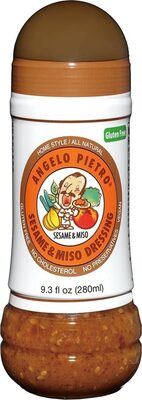
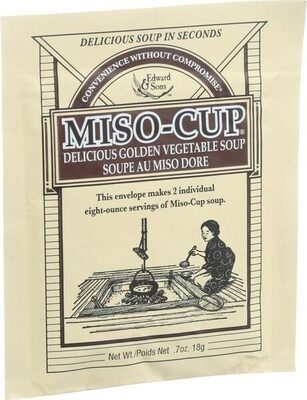
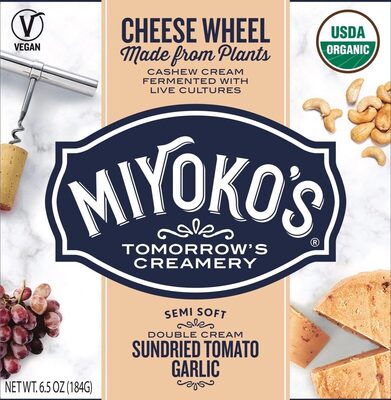
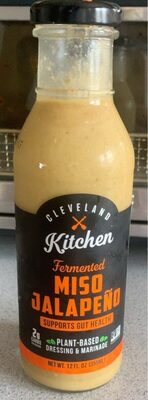
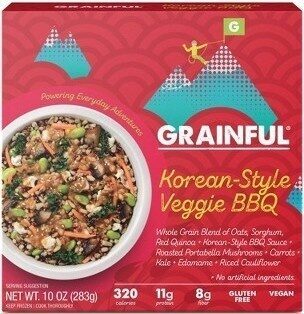
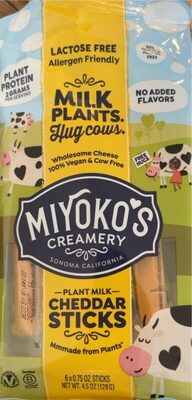
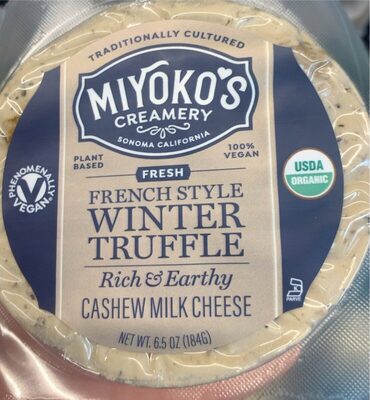
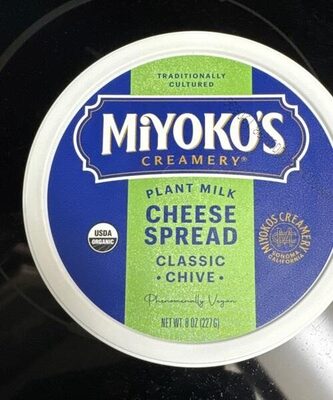
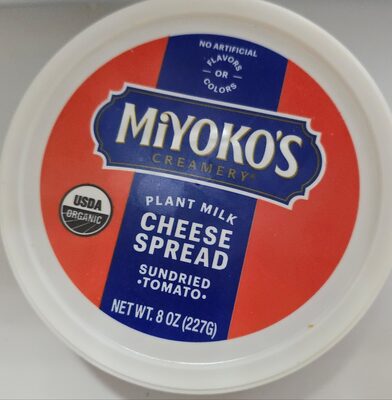
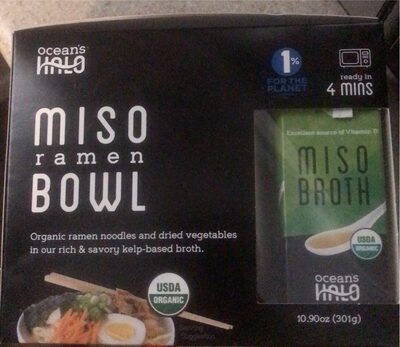
Foods that contain Koji Culture
Compare products →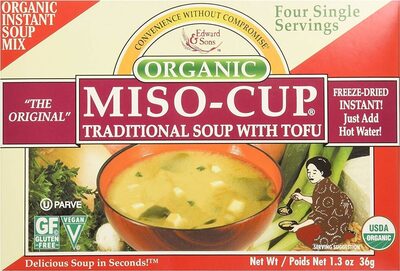
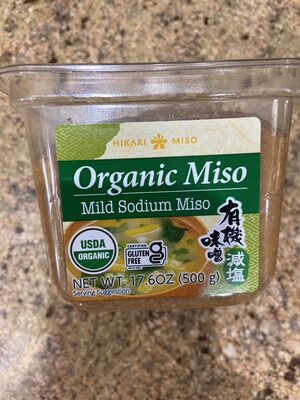
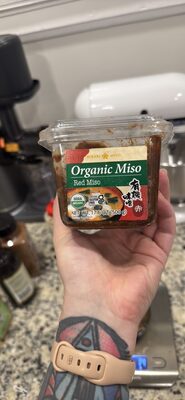
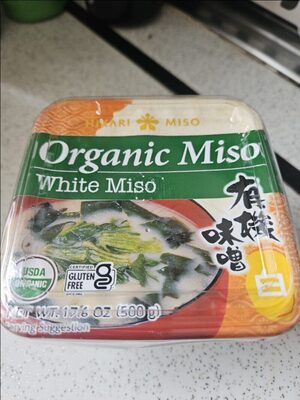
Auto-generated content. This description was generated automatically and is pending editorial review. Inaccuracies are possible. Found a mistake? Contact us.