And Lactic Acid Starter Culture
This entry is a label phrase. See the main ingredient page: Lactic Acid Starter Culture.
What is And Lactic Acid Starter Culture?
A starter culture is a preparation of lactic acid bacteria, which are microorganisms. These bacteria are naturally found in many foods and are used to ferment foods like dairy products and meats. They help develop flavor and preserve the food.
Is And Lactic Acid Starter Culture a major allergen?
Not a major allergen.
What is And Lactic Acid Starter Culture used for?
Starter cultures are used in the production of fermented foods, such as cheeses, yogurts, and cured meats like pepperoni and salami.
Is And Lactic Acid Starter Culture safe?
Lactic acid bacteria are generally recognized as safe (GRAS) by the FDA for use in food.
Why it's used
Starter cultures are used in the production of fermented foods, such as cheeses, yogurts, and cured meats like pepperoni and salami. They help create the characteristic tangy flavors and textures of these products, and also contribute to their preservation by lowering pH.
Health notes
Lactic acid bacteria are generally recognized as safe (GRAS) by the FDA for use in food. They are commonly consumed in fermented foods and are considered beneficial by some for gut health. International bodies like JECFA have evaluated starter cultures, and they are widely used globally. There are no major controversies regarding their use at typical dietary levels.
Allergen info
Not a major allergen. Some starter cultures are derived from dairy, but the final product is typically free of significant milk proteins.
Foods that contain And Lactic Acid Starter Culture
Compare products →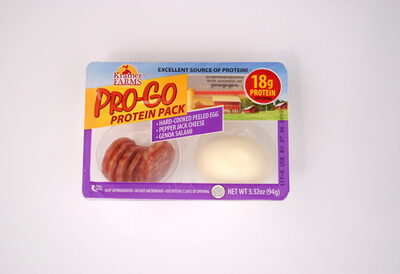 Prime Foods, Inc.
Hard-Cooked Peeled Eggs, Pepper Jack Cheese, Genoa Salami Pro-Go Protein Pack, Hard-Cooked Peeled Eggs, Pepper Jack Cheese, Genoa Salami
High in sodium — 28% DV per serving
High in saturated fat — 40% DV per serving
High in cholesterol — 70% DV per serving
255kcal
19.1Protein
20.2Fat
1.1Carbs
Prime Foods, Inc.
Hard-Cooked Peeled Eggs, Pepper Jack Cheese, Genoa Salami Pro-Go Protein Pack, Hard-Cooked Peeled Eggs, Pepper Jack Cheese, Genoa Salami
High in sodium — 28% DV per serving
High in saturated fat — 40% DV per serving
High in cholesterol — 70% DV per serving
255kcal
19.1Protein
20.2Fat
1.1Carbs
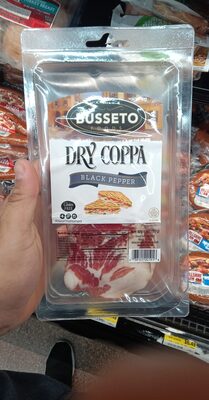 Busseto Foods, Inc.
Dry Coppa Black Pepper, Dry Coppa
321kcal
28.6Protein
21.4Fat
0Carbs
John Volpi & Co., Inc.
Red Wine Salami
321kcal
21.4Protein
25Fat
3.6Carbs
John Volpi & Co., Inc.
Gourmet Pepperoni
286kcal
14.3Protein
25Fat
0Carbs
John Volpi & Co., Inc.
Dry Cured Chorizo, Smoked Paprika
321kcal
21.4Protein
25Fat
3.6Carbs
Price Chopper Supermarkets
Pepper Jack Cheese Hard-Boiled Egg, Genoa Salami, Salt & Pepper Packets, Protein Pack, Pepper Jack
High in sodium — 40% DV per serving
High in saturated fat — 40% DV per serving
High in cholesterol — 72% DV per serving
3kcal
20.2Protein
22.5Fat
2.2Carbs
Daily's Premium Meats LLC
Applewood Smoked All Natural Uncured Ham
80kcal
13.4Protein
3.1Fat
0Carbs
John Volpi & Co., Inc.
Felino
321kcal
21.4Protein
25Fat
3.6Carbs
John Volpi & Co., Inc.
Rose Salami
321kcal
21.4Protein
25Fat
3.6Carbs
Busseto Foods, Inc.
Dry Coppa Black Pepper, Dry Coppa
321kcal
28.6Protein
21.4Fat
0Carbs
John Volpi & Co., Inc.
Red Wine Salami
321kcal
21.4Protein
25Fat
3.6Carbs
John Volpi & Co., Inc.
Gourmet Pepperoni
286kcal
14.3Protein
25Fat
0Carbs
John Volpi & Co., Inc.
Dry Cured Chorizo, Smoked Paprika
321kcal
21.4Protein
25Fat
3.6Carbs
Price Chopper Supermarkets
Pepper Jack Cheese Hard-Boiled Egg, Genoa Salami, Salt & Pepper Packets, Protein Pack, Pepper Jack
High in sodium — 40% DV per serving
High in saturated fat — 40% DV per serving
High in cholesterol — 72% DV per serving
3kcal
20.2Protein
22.5Fat
2.2Carbs
Daily's Premium Meats LLC
Applewood Smoked All Natural Uncured Ham
80kcal
13.4Protein
3.1Fat
0Carbs
John Volpi & Co., Inc.
Felino
321kcal
21.4Protein
25Fat
3.6Carbs
John Volpi & Co., Inc.
Rose Salami
321kcal
21.4Protein
25Fat
3.6Carbs
Auto-generated content. This description was generated automatically and is pending editorial review. Inaccuracies are possible. Found a mistake? Contact us.