And Vitamins And Minerals
Auto-generated content. This description was generated automatically and is pending editorial review. Inaccuracies are possible. Found a mistake? Contact us.
What it is
Vitamins are organic compounds essential for life, and minerals are naturally occurring inorganic elements. Both are vital for human health and bodily functions. They are found naturally in many foods and are also added to some packaged foods to boost their nutritional value.
Why it's used
Manufacturers add vitamins and minerals to foods to fortify them, helping consumers meet their daily nutrient requirements. This is common in breakfast cereals, dairy products, beverages, and nutritional supplements. They help ensure that foods provide essential nutrients that might be lacking in a person's diet.
Health notes
In the U.S., vitamins and minerals added to foods are regulated by the FDA. Many are Generally Recognized As Safe (GRAS) or approved food additives. The National Academies of Sciences, Engineering, and Medicine have established Upper Intake Levels (ULs) for many vitamins and minerals to prevent potential adverse effects from excessive consumption. International bodies like JECFA and EFSA have also evaluated many of these nutrients.
Allergen info
Vitamins and minerals themselves are not among the 9 FDA major allergens. However, if they are added to a food product, it's important to check the product's ingredient list for other ingredients that might be allergens.
Products containing And Vitamins And Minerals
Compare products →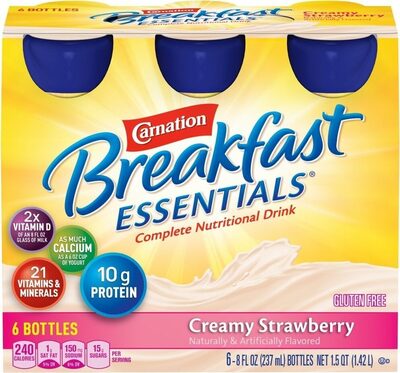 Nestle USA Inc.
Protein 10 G Nutritional Drink, Creamy Strawberry, Creamy Strawberry
High in added sugars — 22% DV per serving
101kcal
4.2Protein
2.5Fat
15.2Carbs
Nestle USA Inc.
Protein 10 G Nutritional Drink, Creamy Strawberry, Creamy Strawberry
High in added sugars — 22% DV per serving
101kcal
4.2Protein
2.5Fat
15.2Carbs
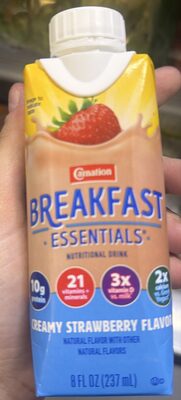 Nestle USA Inc.
Grab And Go Nutritional Drink, Creamy Strawberry, Creamy Strawberry
High in added sugars — 22% DV per serving
101kcal
4.2Protein
2.5Fat
15.2Carbs
Nestle USA Inc.
Grab And Go Nutritional Drink, Creamy Strawberry, Creamy Strawberry
High in added sugars — 22% DV per serving
101kcal
4.2Protein
2.5Fat
15.2Carbs
 Nestle USA Inc.
Grab And Go Nutritional Drink, Classic French Vanilla, Classic French Vanilla
High in added sugars — 22% DV per serving
101kcal
4.2Protein
2.5Fat
15.2Carbs
Nestle USA Inc.
Grab And Go Nutritional Drink, Classic French Vanilla, Classic French Vanilla
High in added sugars — 22% DV per serving
101kcal
4.2Protein
2.5Fat
15.2Carbs
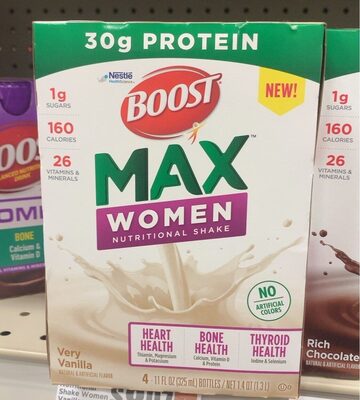 Nestle Healthcare Nutrition, Inc.
Women Nutritional Shake, Very Vanilla, Very Vanilla
49kcal
9.2Protein
0.9Fat
1.2Carbs
Nestle Healthcare Nutrition, Inc.
Women Nutritional Shake, Very Vanilla, Very Vanilla
49kcal
9.2Protein
0.9Fat
1.2Carbs
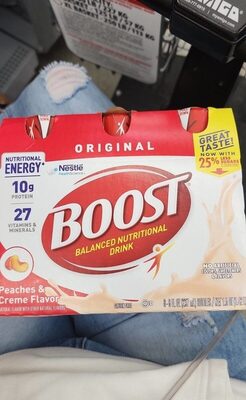 Nestle Healthcare Nutrition, Inc.
Original Balanced Nutritional Drink, Peaches & Creme, Peaches & Creme
High in added sugars — 30% DV per serving
101kcal
4.2Protein
2.5Fat
15.6Carbs
Nestle Healthcare Nutrition, Inc.
Original Balanced Nutritional Drink, Peaches & Creme, Peaches & Creme
High in added sugars — 30% DV per serving
101kcal
4.2Protein
2.5Fat
15.6Carbs