Milk Protein Concentrate
Auto-generated content. This description was generated automatically and is pending editorial review. Inaccuracies are possible. Found a mistake? Contact us.
What it is
Milk protein concentrate (MPC) is a dairy ingredient made by filtering milk to remove most of the lactose (milk sugar) and water, while concentrating the protein. It is produced through a process called ultrafiltration, which separates milk components based on their size.
Why it's used
Manufacturers add milk protein concentrate to foods to boost their protein content, improve texture, and enhance nutritional value. It is frequently used in dairy products like cheese and yogurt, as well as in protein drinks and nutritional supplements.
Health notes
Milk protein concentrate is generally recognized as safe (GRAS) by the U.S. Food and Drug Administration (FDA) for use in foods. It is a common source of high-quality protein and is considered safe for consumption by most people. There are no significant health controversies associated with milk protein concentrate itself, beyond general concerns for individuals with dairy allergies or lactose intolerance. JECFA and EFSA typically evaluate food additives, and milk protein concentrate is considered a food ingredient rather than an additive.
Allergen info
Milk protein concentrate is derived from milk, which is one of the nine major food allergens identified by the FDA.
Products containing Milk Protein Concentrate
Compare products →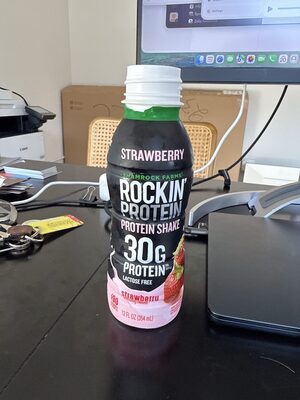 Shamrock Foods Company
Protein Milk Beverage
54kcal
8.5Protein
1.1Fat
3.1Carbs
PERFECTLY SIMPLE
Limited Edition Bar
High in saturated fat — 20% DV per serving
450kcal
25Protein
20Fat
45Carbs
GOODNESS
Goodness, Breakfast/Anytime Shake-To-Go, Mocha
52kcal
4.5Protein
0.9Fat
7.3Carbs
WELCH'S
Blended Nonfat Yogurt
71kcal
2.9Protein
0Fat
13.5Carbs
WELCH'S
Nonfat Blended Yogurt
71kcal
2.9Protein
0Fat
14.1Carbs
WELCH'S
Blended Nonfat Yogurt
71kcal
2.9Protein
0Fat
14.7Carbs
Shamrock Foods Company
Protein Milk Beverage
54kcal
8.5Protein
1.1Fat
3.1Carbs
PERFECTLY SIMPLE
Limited Edition Bar
High in saturated fat — 20% DV per serving
450kcal
25Protein
20Fat
45Carbs
GOODNESS
Goodness, Breakfast/Anytime Shake-To-Go, Mocha
52kcal
4.5Protein
0.9Fat
7.3Carbs
WELCH'S
Blended Nonfat Yogurt
71kcal
2.9Protein
0Fat
13.5Carbs
WELCH'S
Nonfat Blended Yogurt
71kcal
2.9Protein
0Fat
14.1Carbs
WELCH'S
Blended Nonfat Yogurt
71kcal
2.9Protein
0Fat
14.7Carbs