Anhydrous
What is Anhydrous?
Anhydrous means "without water." In food, it usually refers to a form of a substance that has had most or all of its water removed. For example, anhydrous dextrose is a highly purified form of corn sugar with very little water content.
Is Anhydrous a major allergen?
Anhydrous ingredients are not themselves major allergens.
What is Anhydrous used for?
Manufacturers use anhydrous ingredients to improve shelf life, prevent clumping, and concentrate flavor or sweetness.
Is Anhydrous safe?
Anhydrous forms of common ingredients like sugars or fats are generally recognized as safe (GRAS) by the FDA for their intended use.
Why it's used
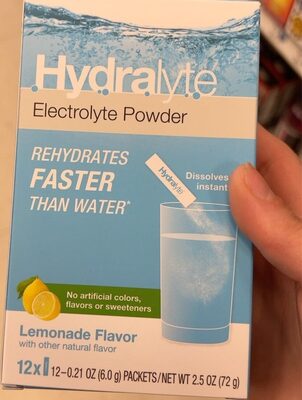
Manufacturers use anhydrous ingredients to improve shelf life, prevent clumping, and concentrate flavor or sweetness. They are often found in dry mixes like powdered drinks, baked goods, and snack foods where moisture can cause spoilage or texture issues.
Health notes
Anhydrous forms of common ingredients like sugars or fats are generally recognized as safe (GRAS) by the FDA for their intended use. The FDA has evaluated many anhydrous substances and permits their use in food. Regulatory bodies like JECFA and EFSA have also evaluated many anhydrous compounds, often setting acceptable daily intake levels. Evidence does not suggest adverse health effects from typical consumption of anhydrous ingredients.
Allergen info
Anhydrous ingredients are not themselves major allergens. However, they may be derived from allergenic sources, so checking the ingredient list for the original source (e.g., anhydrous milk fat from milk) is important.
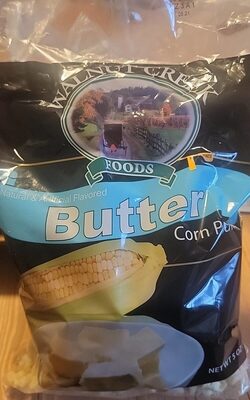
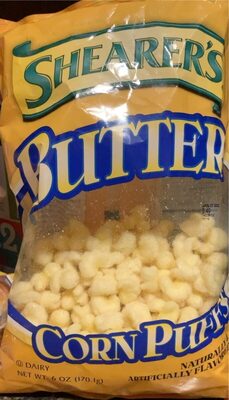
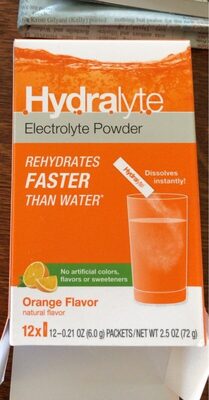
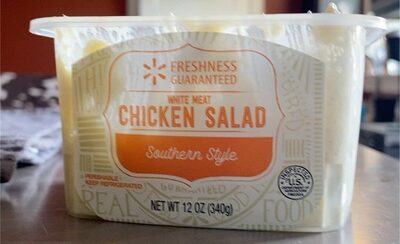
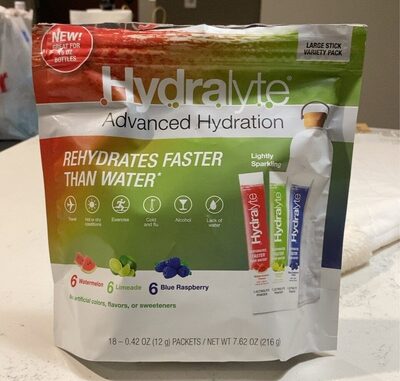
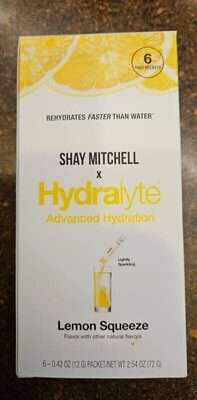
Foods that contain Anhydrous
Compare products →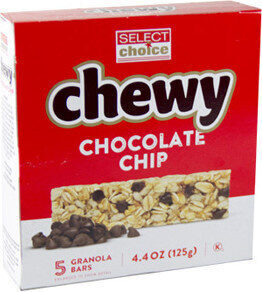
Auto-generated content. This description was generated automatically and is pending editorial review. Inaccuracies are possible. Found a mistake? Contact us.