Silica
What is Silica?
Silica, also known as silicon dioxide, is a naturally occurring compound made of silicon and oxygen. It is found in sand, quartz, and many plants. In food production, it is typically manufactured from silicon dioxide, a purified form of silica.
Is Silica vegan?
Silica is not animal-derived. Products that contain it can still include other animal-derived ingredients, so check the full ingredient list.
Is Silica gluten-free?
Silica is not derived from any of the nine FDA major allergens and does not contain gluten.
What is Silica used for?
Manufacturers use silica as an anti-caking agent to prevent powdered ingredients from clumping together.
Is Silica safe?
In the US, silica is generally recognized as safe (GRAS) by the FDA for use as an anti-caking agent and for other specific functions.
Why it's used
Manufacturers use silica as an anti-caking agent to prevent powdered ingredients from clumping together. This helps maintain a free-flowing texture in products like seasoning mixes, salts, and powdered beverages. It can also be used as a clarifying agent in some beverages.
Health notes
In the US, silica is generally recognized as safe (GRAS) by the FDA for use as an anti-caking agent and for other specific functions. Regulatory bodies like JECFA and EFSA have evaluated silica and have not set a numeric acceptable daily intake (ADI) or have set a very high ADI, indicating low toxicity. It is not absorbed by the body in significant amounts when consumed in food.
Allergen info
Silica is not derived from any of the nine FDA major allergens and does not contain gluten.
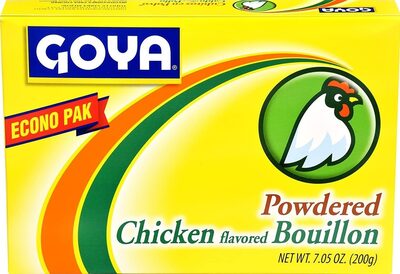
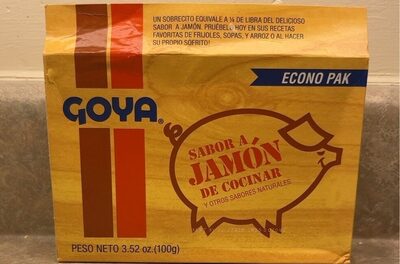
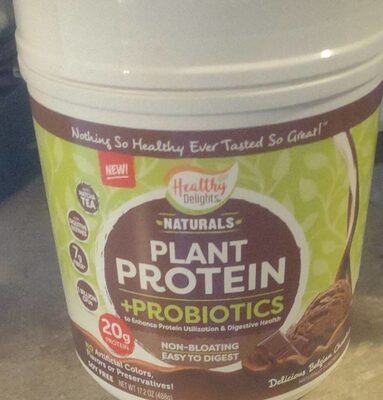
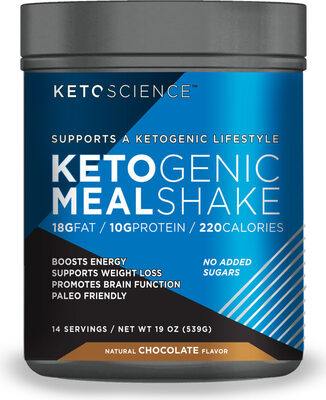
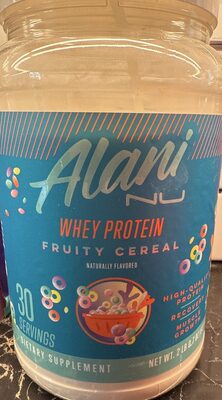
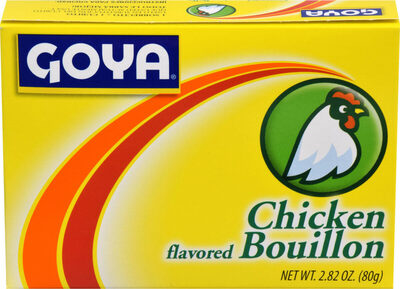
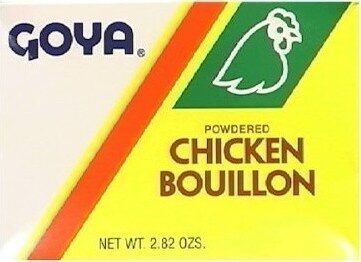
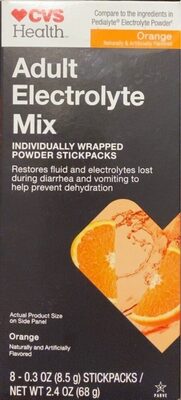
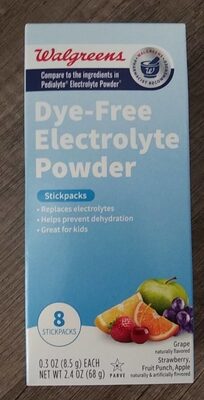
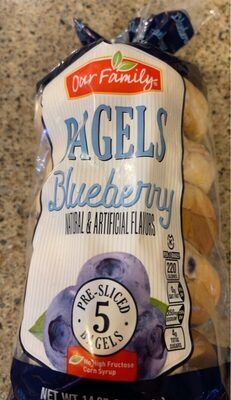
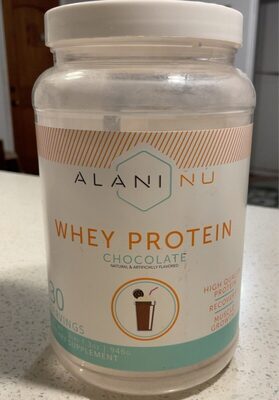
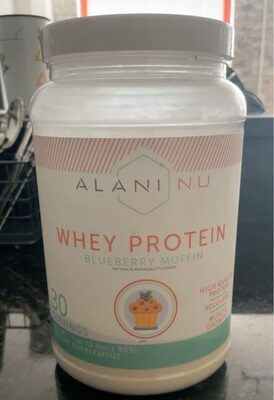
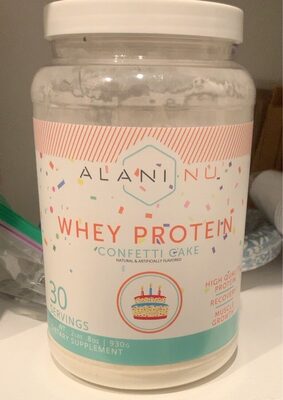
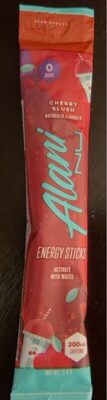
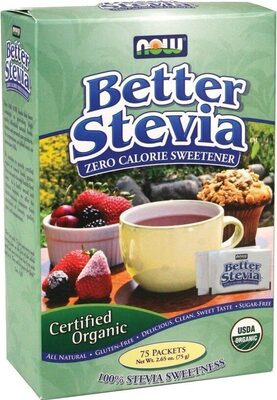
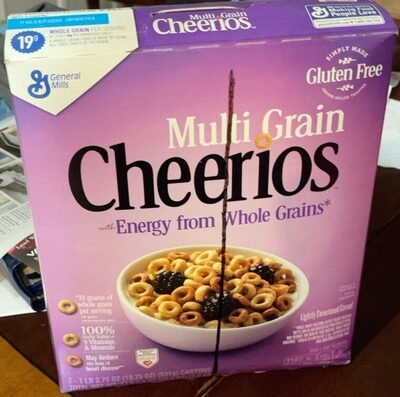
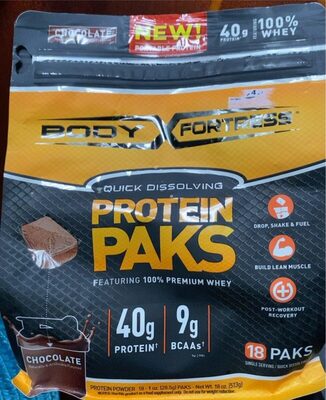
Foods that contain Silica
Compare products →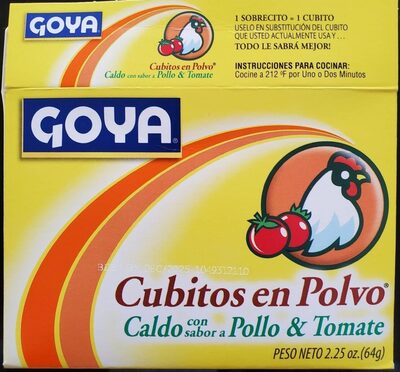
Auto-generated content. This description was generated automatically and is pending editorial review. Inaccuracies are possible. Found a mistake? Contact us.