Anise Oil
Auto-generated content. This description was generated automatically and is pending editorial review. Inaccuracies are possible. Found a mistake? Contact us.
What it is
Anise oil is a fragrant essential oil extracted from the seeds of the anise plant (Pimpinella anisum), which is native to the Mediterranean region and Southwest Asia. The oil is typically obtained through steam distillation of the dried seeds. It has a strong, distinctive licorice-like aroma and flavor.
Why it's used
Anise oil is primarily used as a flavoring agent in a wide variety of food products due to its potent taste. It is commonly found in baked goods like cookies and cakes, candies, liqueurs, and savory dishes. Its strong flavor means it is often used in small quantities to impart a specific aromatic profile.
Health notes
In the United States, anise oil is generally recognized as safe (GRAS) by the FDA when used as a flavoring. Regulatory bodies like the European Food Safety Authority (EFSA) have also evaluated anise and its derivatives, establishing acceptable daily intakes. While generally considered safe at typical consumption levels, some individuals may experience allergic reactions or digestive upset.
Allergen info
Anise oil is not derived from any of the nine FDA major allergens. It does not contain gluten.
Products containing Anise Oil
Compare products →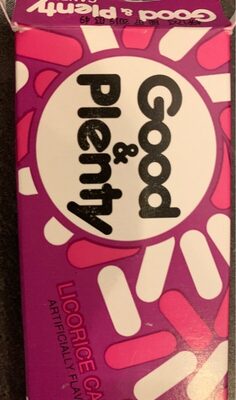 Leaf, Inc.
Licorice Candy, Licorice
353kcal
2.0Protein
0Fat
88.2Carbs
Leaf, Inc.
Licorice Candy, Licorice
353kcal
2.0Protein
0Fat
88.2Carbs
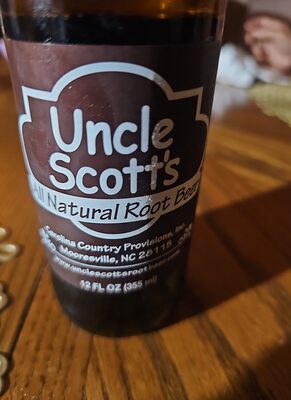 The Lion Inc.
All Natural Root Beer
51kcal
1.1Protein
0Fat
11.6Carbs
Harvard Pastry & Baking Corporation
Gourmet Cookies
250kcal
3.6Protein
12.5Fat
39.3Carbs
Island Lure LLC.
Sweet Swedish Premium Liquorice
325kcal
2.5Protein
2.5Fat
75Carbs
Waymouth Farms, Inc.
Good N Plenty
350kcal
2.5Protein
0Fat
87.5Carbs
Western Nut Company
Licorice Pastels
500kcal
3.3Protein
0Fat
120Carbs
The Lion Inc.
All Natural Root Beer
51kcal
1.1Protein
0Fat
11.6Carbs
Harvard Pastry & Baking Corporation
Gourmet Cookies
250kcal
3.6Protein
12.5Fat
39.3Carbs
Island Lure LLC.
Sweet Swedish Premium Liquorice
325kcal
2.5Protein
2.5Fat
75Carbs
Waymouth Farms, Inc.
Good N Plenty
350kcal
2.5Protein
0Fat
87.5Carbs
Western Nut Company
Licorice Pastels
500kcal
3.3Protein
0Fat
120Carbs