Anise Seeds
Auto-generated content. This description was generated automatically and is pending editorial review. Inaccuracies are possible. Found a mistake? Contact us.
What it is
Anise seeds are the dried seeds of the Pimpinella anisum plant, native to the Mediterranean region and Southwest Asia. The seeds have a distinctive licorice-like flavor and aroma, which is largely due to a compound called anethole. They are harvested and dried, then used whole or ground.
Why it's used
Anise seeds are primarily used as a flavoring agent in a wide variety of foods and beverages. Their sweet, licorice-like taste makes them popular in baked goods like cookies and breads, as well as in candies and liqueurs. They are also used in savory dishes, particularly in Mediterranean and Middle Eastern cuisines, and can be found in spice blends and teas.
Health notes
Anise seeds are generally recognized as safe (GRAS) by the FDA for use as a food flavoring. Both the Joint FAO/WHO Expert Committee on Food Additives (JECFA) and the European Food Safety Authority (EFSA) have evaluated anise and its components. Anethole, the primary flavor compound, has been studied for various potential health effects, but research is ongoing and evidence is mixed. At typical dietary intake levels, anise is not associated with adverse health effects.
Allergen info
Anise seeds are not one of the nine FDA major allergens. They do not contain gluten.
Products containing Anise Seeds
Compare products →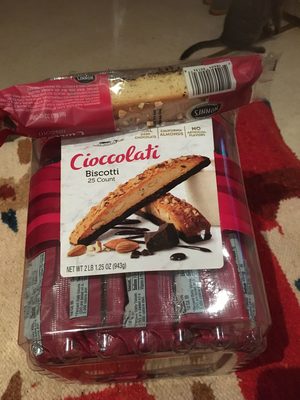 Nonni's Foods LLC
Cioccolati Biscotti
447kcal
7.9Protein
15.8Fat
68.4Carbs
Nonni's Foods LLC
Cioccolati Biscotti
447kcal
7.9Protein
15.8Fat
68.4Carbs
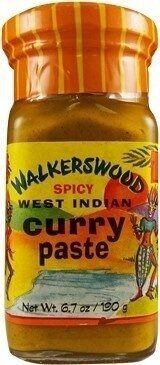 Associated Manufacturers Limited
Spicy West Indian Curry Paste, Spicy
200kcal
0Protein
13.3Fat
13.3Carbs
Associated Manufacturers Limited
Spicy West Indian Curry Paste, Spicy
200kcal
0Protein
13.3Fat
13.3Carbs
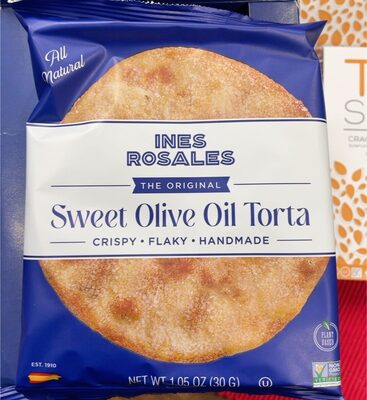 Gala Beverage
The Original Sweet Olive Oil Torta, The Original
500kcal
6.7Protein
26.7Fat
63.3Carbs
Aroma Antico Inc.
Anise Seed Taralli White Wine Extra Virgin Olive Oil, Anise Seed Taralli
321kcal
7.1Protein
14.3Fat
46.4Carbs
Gala Beverage
The Original Sweet Olive Oil Torta, The Original
500kcal
6.7Protein
26.7Fat
63.3Carbs
Aroma Antico Inc.
Anise Seed Taralli White Wine Extra Virgin Olive Oil, Anise Seed Taralli
321kcal
7.1Protein
14.3Fat
46.4Carbs
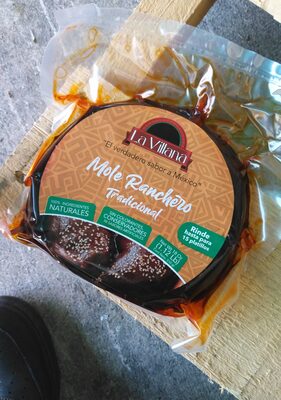 INBC Trading LLC
Ranchero Mole, Ranchero
High in sodium — 20% DV per serving
457kcal
5.7Protein
22.9Fat
57.1Carbs
INBC Trading LLC
Ranchero Mole, Ranchero
High in sodium — 20% DV per serving
457kcal
5.7Protein
22.9Fat
57.1Carbs