Anti-dusting
What is Anti-dusting?
Anti-dusting agents are typically starches or modified starches. They are derived from plants like corn, potatoes, or wheat. These agents are processed to have specific particle sizes and flow properties.
Is Anti-dusting vegan?
Anti-dusting is not animal-derived. Products that contain it can still include other animal-derived ingredients, so check the full ingredient list.
Is Anti-dusting gluten-free?
Depending on the source, anti-dusting agents derived from wheat could contain gluten.
What is Anti-dusting used for?
Manufacturers add anti-dusting agents to powdered food products to prevent the fine particles from becoming airborne during handling and processing.
Is Anti-dusting safe?
Anti-dusting agents like modified starches are generally recognized as safe (GRAS) by the FDA when used as intended.
Why it's used
Manufacturers add anti-dusting agents to powdered food products to prevent the fine particles from becoming airborne during handling and processing. This improves flowability and reduces waste. They are commonly found in spice blends, powdered drink mixes, and baking mixes.
Health notes
Anti-dusting agents like modified starches are generally recognized as safe (GRAS) by the FDA when used as intended. They are carbohydrates and provide calories, but are not typically consumed in large enough quantities to have significant health effects. International bodies like JECFA have evaluated similar substances. Evidence does not suggest adverse health effects at typical dietary levels.
Allergen info
Depending on the source, anti-dusting agents derived from wheat could contain gluten. Starches from corn, potato, or tapioca are not major allergens and do not contain gluten. Labels should specify the source if it is a potential allergen.
Foods that contain Anti-dusting
Compare products →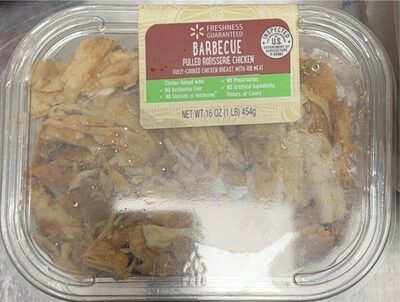
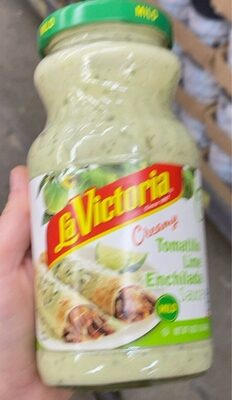
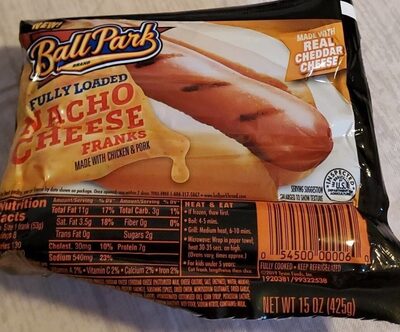
Auto-generated content. This description was generated automatically and is pending editorial review. Inaccuracies are possible. Found a mistake? Contact us.