Anticaking Agent: Cellulose
What is Anticaking Agent: Cellulose?
Cellulose is a natural carbohydrate and the main substance in the cell walls of plants. It is often sourced from wood pulp or cotton. For food use, it is typically purified and processed to create different forms, such as microcrystalline cellulose.
Is Anticaking Agent: Cellulose vegan?
Anticaking Agent: Cellulose is not animal-derived. Products that contain it can still include other animal-derived ingredients, so check the full ingredient list.
Is Anticaking Agent: Cellulose gluten-free?
It does not contain gluten.
Is Anticaking Agent: Cellulose a major allergen?
Cellulose is not derived from any of the 9 major allergens.
What is Anticaking Agent: Cellulose used for?
Cellulose is used as an anticaking agent, preventing powders from clumping together.
Is Anticaking Agent: Cellulose safe?
Cellulose is Generally Recognized As Safe (GRAS) by the FDA for use in food.
Why it's used
Cellulose is used as an anticaking agent, preventing powders from clumping together. It also acts as a thickener, stabilizer, and source of dietary fiber. You can find it in a variety of processed foods like spices, powdered mixes, and shredded cheeses.
Health notes
Cellulose is Generally Recognized As Safe (GRAS) by the FDA for use in food. It is indigestible by humans and passes through the digestive system, adding bulk and fiber. JECFA has evaluated cellulose and established an acceptable daily intake. It is not associated with significant health controversies at typical consumption levels.
Allergen info
Cellulose is not derived from any of the 9 major allergens. It does not contain gluten.
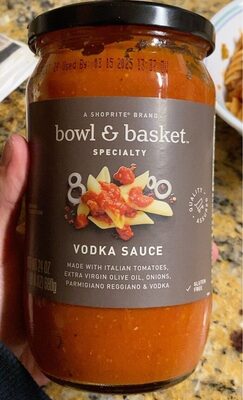
Foods that contain Anticaking Agent: Cellulose
Compare products →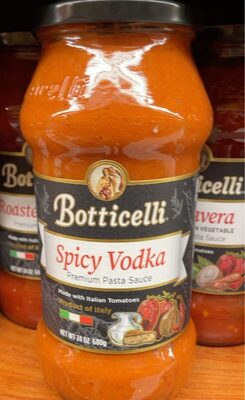
Auto-generated content. This description was generated automatically and is pending editorial review. Inaccuracies are possible. Found a mistake? Contact us.