Apricot Pulp And Juice
Auto-generated content. This description was generated automatically and is pending editorial review. Inaccuracies are possible. Found a mistake? Contact us.
What it is
Apricot pulp and juice come from the fleshy part of apricots, a stone fruit. The fruit is typically washed, pitted, and then processed to extract the pulp and juice. This can involve cooking, pureeing, and straining to achieve the desired texture and consistency.
Why it's used
Manufacturers use apricot pulp and juice to add natural fruit flavor, sweetness, and color to products. It also contributes to texture and moisture. Common uses include fruit juices, nectars, jams, baked goods, and desserts.
Health notes
Apricot pulp and juice are generally recognized as safe (GRAS) by the FDA when used as food ingredients. They are a source of vitamins, minerals, and fiber. International bodies like JECFA have evaluated apricot products and found them safe for consumption. No significant health controversies are associated with typical intake levels.
Allergen info
Apricot pulp and juice are not derived from any of the 9 FDA major allergens. They do not contain gluten.
Products containing Apricot Pulp And Juice
Compare products →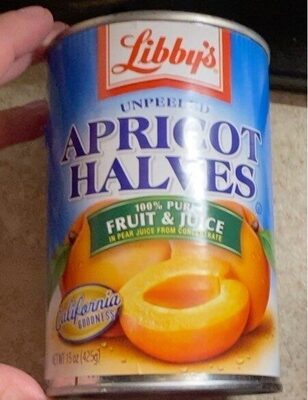 Seneca Foods Corporation
Unpeeled Apricot Halves In 100% Fruit Juice From Concentrate
48kcal
0.8Protein
0Fat
11.3Carbs
Safeway, Inc.
Apricot Halves Unpeeled In Apricot 100% Juice And Pear Juice Concentrate
48kcal
0.8Protein
0Fat
11.3Carbs
Wegmans Food Markets, Inc.
Unpeeled Apricot Halves In 100% Juice, Unpeeled Apricot Halves
48kcal
0.8Protein
0Fat
11.3Carbs
Wakefern Food Corporation
Unpeeled Apricot Halves In Fruit Juice, Fruit Juice
48kcal
0.8Protein
0Fat
11.3Carbs
Seneca Foods Corporation
Unpeeled Apricot Halves In 100% Fruit Juice From Concentrate
48kcal
0.8Protein
0Fat
11.3Carbs
Safeway, Inc.
Apricot Halves Unpeeled In Apricot 100% Juice And Pear Juice Concentrate
48kcal
0.8Protein
0Fat
11.3Carbs
Wegmans Food Markets, Inc.
Unpeeled Apricot Halves In 100% Juice, Unpeeled Apricot Halves
48kcal
0.8Protein
0Fat
11.3Carbs
Wakefern Food Corporation
Unpeeled Apricot Halves In Fruit Juice, Fruit Juice
48kcal
0.8Protein
0Fat
11.3Carbs