Apricots
What is Apricots?
Apricots are a small, golden-orange fruit with a velvety skin and a sweet, slightly tart flavor. They grow on trees native to China and are now cultivated in temperate regions worldwide. Fresh apricots can be eaten as is, or they are often dried, canned, or made into jams and preserves.
Is Apricots vegan?
Apricots is not animal-derived. Products that contain it can still include other animal-derived ingredients, so check the full ingredient list.
Is Apricots gluten-free?
They do not contain gluten.
Is Apricots a major allergen?
Apricots are not one of the nine FDA major allergens.
What is Apricots used for?
Apricots are used to add natural sweetness, flavor, and color to a variety of foods.
Is Apricots safe?
Apricots are a source of dietary fiber, vitamins A and C, and potassium.
Why it's used
Apricots are used to add natural sweetness, flavor, and color to a variety of foods. They are commonly found in jams, jellies, baked goods, fruit spreads, and as a wholesome ingredient in snack bars and cereals. Their natural pectin content also helps thicken jams and preserves.
Health notes
Apricots are a source of dietary fiber, vitamins A and C, and potassium. The FDA recognizes dried apricots as Generally Recognized As Safe (GRAS) for use in food. International bodies like JECFA have evaluated apricots and their components. While generally considered healthy, excessive consumption of dried fruits, due to their concentrated sugars, should be considered within the context of a balanced diet.
Allergen info
Apricots are not one of the nine FDA major allergens. They do not contain gluten.
Foods that contain Apricots
Compare products →

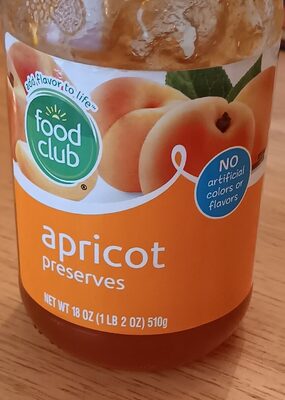







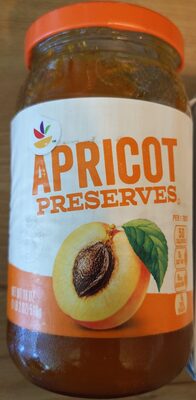









Auto-generated content. This description was generated automatically and is pending editorial review. Inaccuracies are possible. Found a mistake? Contact us.