Artificial Cheese Flavor
Auto-generated content. This description was generated automatically and is pending editorial review. Inaccuracies are possible. Found a mistake? Contact us.
What it is
Artificial cheese flavor is a manufactured flavoring designed to mimic the taste and aroma of cheese. It is typically made from a combination of chemical compounds, which may include esters, ketones, and aldehydes, often derived from both natural and synthetic sources.
Why it's used
Manufacturers use artificial cheese flavor to impart a cheesy taste to foods without using actual cheese. It is commonly found in snack foods like crackers and chips, as well as in processed foods such as dips, sauces, and baked goods where a cheese flavor is desired.
Health notes
Artificial cheese flavor is generally recognized as safe (GRAS) by the FDA when used as a flavoring. Regulatory bodies like JECFA and EFSA have evaluated many flavoring substances, and while specific evaluations for 'artificial cheese flavor' as a whole may vary, individual components are assessed for safety. At typical consumption levels, it is not associated with adverse health effects.
Allergen info
Artificial cheese flavor is not a major allergen. It does not typically contain milk, egg, fish, shellfish, tree nuts, peanuts, wheat, soy, or sesame. It is also gluten-free.
Products containing Artificial Cheese Flavor
Compare products →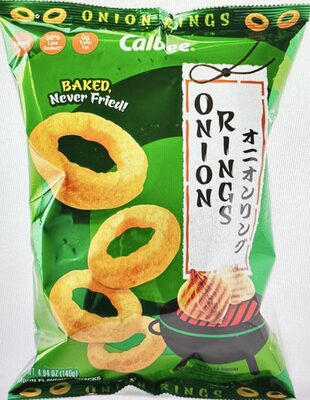 Calbee North America, LLC
Onion Flavored Snacks Rings, Onion
High in saturated fat — 20% DV per serving
571kcal
3.6Protein
35.7Fat
57.1Carbs
Quesos La Ricura
Quesadilla Cheese Sponge Cake, Quesadilla
High in saturated fat — 20% DV per serving
High in added sugars — 30% DV per serving
435kcal
10.9Protein
19.6Fat
56.5Carbs
Calbee North America, LLC
Onion Flavored Snacks Rings, Onion
High in saturated fat — 20% DV per serving
571kcal
3.6Protein
35.7Fat
57.1Carbs
Quesos La Ricura
Quesadilla Cheese Sponge Cake, Quesadilla
High in saturated fat — 20% DV per serving
High in added sugars — 30% DV per serving
435kcal
10.9Protein
19.6Fat
56.5Carbs