Artificial Cinnamon Flavor
Auto-generated content. This description was generated automatically and is pending editorial review. Inaccuracies are possible. Found a mistake? Contact us.
What it is
Artificial cinnamon flavor is a manufactured substance designed to mimic the taste and aroma of natural cinnamon. It is created by combining various chemical compounds, often including cinnamaldehyde, which is the primary component responsible for cinnamon's characteristic flavor, along with other aldehydes, esters, and ketones.
Why it's used
Manufacturers use artificial cinnamon flavor to provide a consistent and cost-effective cinnamon taste in a wide range of food products. It is frequently found in baked goods like pastries, muffins, and sweet rolls, as well as in candies, beverages, and dairy products where a strong cinnamon profile is desired.
Health notes
Artificial cinnamon flavor is generally recognized as safe (GRAS) by the FDA when used as intended. Regulatory bodies like the Joint FAO/WHO Expert Committee on Food Additives (JECFA) and the European Food Safety Authority (EFSA) have evaluated flavoring substances. While generally considered safe at typical consumption levels, some individuals may experience sensitivities. Research into the long-term effects of specific artificial flavor compounds is ongoing.
Allergen info
Artificial cinnamon flavor is not derived from any of the nine FDA major allergens. It does not contain gluten.
Products containing Artificial Cinnamon Flavor
Compare products →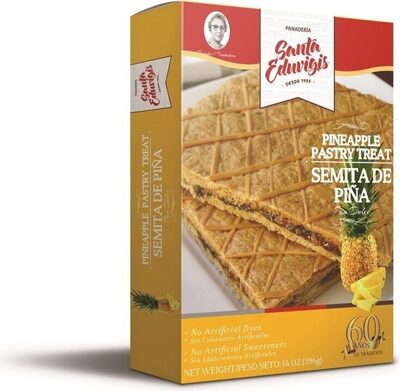 Ernestina Castro, S.A. De C.V.
Pineapple Pastry Treat
382kcal
3.0Protein
18.2Fat
51.5Carbs
Montalvan's Sales
Santa Eduvigis, Pastry Treat, Pineapple, Pineapple
382kcal
3.0Protein
18.2Fat
51.5Carbs
New England Confectionery Company Inc.
Hot Hearts Candy, Cinnamon, Spicy
429kcal
0Protein
0Fat
100Carbs
Alpina Productos Alimenticios
Oatmeal Smoothie, Cinnamon
72kcal
2Protein
1.6Fat
11.6Carbs
Ernestina Castro, S.A. De C.V.
Guava Pastry Treat
364kcal
3.0Protein
18.2Fat
48.5Carbs
Comercializadora Eloro, S.A.
Horchata, Cinnamon And Vanilla Flavored Rice Drink, Horchata, Cinnamon And Vanilla
High in added sugars — 92% DV per serving
49kcal
0Protein
0Fat
12Carbs
Ernestina Castro, S.A. De C.V.
Pan Dulce Peperecha Panela Bar, Pan Dulce Peperecha
405kcal
4.8Protein
11.9Fat
66.7Carbs
Target Stores
Cinnamon Candy Coal, Cinnamon
High in added sugars — 20% DV per serving
357kcal
0Protein
0Fat
92.9Carbs
East Side Entrees
IW Pancake Sandwich with Glaze
259kcal
4.7Protein
9.4Fat
40Carbs
Ernestina Castro, S.A. De C.V.
Pineapple Pastry Treat
382kcal
3.0Protein
18.2Fat
51.5Carbs
Montalvan's Sales
Santa Eduvigis, Pastry Treat, Pineapple, Pineapple
382kcal
3.0Protein
18.2Fat
51.5Carbs
New England Confectionery Company Inc.
Hot Hearts Candy, Cinnamon, Spicy
429kcal
0Protein
0Fat
100Carbs
Alpina Productos Alimenticios
Oatmeal Smoothie, Cinnamon
72kcal
2Protein
1.6Fat
11.6Carbs
Ernestina Castro, S.A. De C.V.
Guava Pastry Treat
364kcal
3.0Protein
18.2Fat
48.5Carbs
Comercializadora Eloro, S.A.
Horchata, Cinnamon And Vanilla Flavored Rice Drink, Horchata, Cinnamon And Vanilla
High in added sugars — 92% DV per serving
49kcal
0Protein
0Fat
12Carbs
Ernestina Castro, S.A. De C.V.
Pan Dulce Peperecha Panela Bar, Pan Dulce Peperecha
405kcal
4.8Protein
11.9Fat
66.7Carbs
Target Stores
Cinnamon Candy Coal, Cinnamon
High in added sugars — 20% DV per serving
357kcal
0Protein
0Fat
92.9Carbs
East Side Entrees
IW Pancake Sandwich with Glaze
259kcal
4.7Protein
9.4Fat
40Carbs