Artificial Color Including Yellow 5 And Yellow 6
Auto-generated content. This description was generated automatically and is pending editorial review. Inaccuracies are possible. Found a mistake? Contact us.
What it is
Artificial colors, including Yellow 5 (also known as tartrazine) and Yellow 6 (also known as sunset yellow FCF), are synthetic substances. They are made in laboratories, typically derived from petroleum.
Why it's used
Manufacturers add these colors to foods to enhance their visual appeal and to ensure a consistent color. They are commonly found in a wide variety of processed foods, such as snacks, desserts, beverages, and baked goods.
Health notes
Yellow 5 and Yellow 6 are approved color additives by the U.S. Food and Drug Administration (FDA). In April 2025, the FDA announced a plan to phase out petroleum-based synthetic dyes, including Yellow 5 and Yellow 6. JECFA (the Joint FAO/WHO Expert Committee on Food Additives) and EFSA (the European Food Safety Authority) have both evaluated these dyes and set acceptable daily intakes. Some studies have suggested a possible link between synthetic food colors and hyperactivity in some children; however, the scientific evidence on this topic is mixed, and the FDA states that available evidence does not show a causal link for the general population.
Allergen info
Not a major allergen.
Products containing Artificial Color Including Yellow 5 And Yellow 6
Compare products →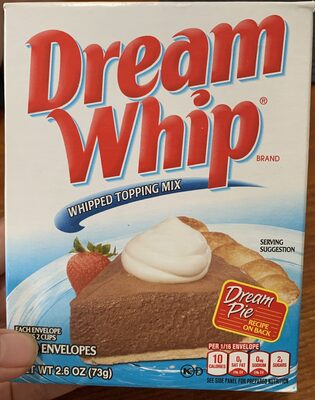 Kraft Heinz Foods Company
Whipped Topping Mix
400kcal
0Protein
0Fat
80Carbs
Kraft Heinz Foods Company
Whipped Topping Mix
400kcal
0Protein
0Fat
80Carbs