Artificial Coloring Includes Red 40 Lake
Auto-generated content. This description was generated automatically and is pending editorial review. Inaccuracies are possible. Found a mistake? Contact us.
What it is
Artificial coloring refers to synthetic substances added to food to impart color. Red 40 Lake is a specific type of artificial color, derived from the synthetic dye Red 40. It is produced by combining the dye with an aluminum base, making it insoluble in water.
Why it's used
Manufacturers use artificial coloring like Red 40 Lake to make foods more visually appealing or to restore color lost during processing. It is commonly found in snacks, candies, baked goods, and beverages to create vibrant hues.
Health notes
Red 40 Lake is an FDA-approved color additive. In April 2025, the FDA announced a plan to phase out petroleum-based synthetic dyes, which includes Red 40. JECFA and EFSA have both evaluated Red 40 and set acceptable daily intakes. Some studies have suggested a link between synthetic food colors, including Red 40, and hyperactivity in some children, though evidence is mixed and not conclusive for the general population.
Allergen info
Not a major allergen.
Products containing Artificial Coloring Includes Red 40 Lake
Compare products →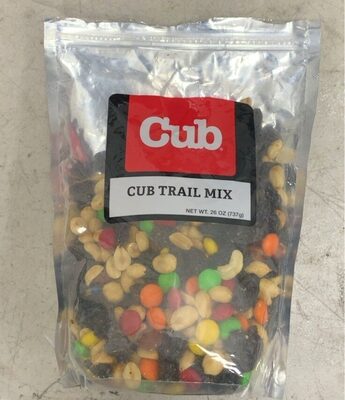 Bergin Nut Company, Inc.
Cub Trail Mix
500kcal
11.1Protein
25Fat
55.6Carbs
Star Snacks Co., Inc.
Salty Sweet Peanuts, Raisins, Candy Coated Gems, Sunflower Kernels, Almonds Mix, Salty Sweet
High in saturated fat — 25% DV per serving
High in added sugars — 20% DV per serving
507kcal
15.5Protein
35.2Fat
42.2Carbs
Lehi Valley Trading Company, Inc.
The Original Trail, The Original
484kcal
9.7Protein
29.0Fat
51.6Carbs
Bergin Nut Company, Inc.
Cub Trail Mix
500kcal
11.1Protein
25Fat
55.6Carbs
Star Snacks Co., Inc.
Salty Sweet Peanuts, Raisins, Candy Coated Gems, Sunflower Kernels, Almonds Mix, Salty Sweet
High in saturated fat — 25% DV per serving
High in added sugars — 20% DV per serving
507kcal
15.5Protein
35.2Fat
42.2Carbs
Lehi Valley Trading Company, Inc.
The Original Trail, The Original
484kcal
9.7Protein
29.0Fat
51.6Carbs