Artificial Coloring
What is Artificial Coloring?
Artificial coloring refers to synthetic substances used to add or restore color to foods. These colorings are manufactured and do not occur naturally. They are created through chemical processes to achieve specific hues and stability.
Is Artificial Coloring vegan?
Artificial Coloring is not animal-derived. Products that contain it can still include other animal-derived ingredients, so check the full ingredient list.
Is Artificial Coloring gluten-free?
Artificial colorings are not derived from the 9 FDA major allergens and do not contain gluten.
What is Artificial Coloring used for?
Manufacturers use artificial colorings to make foods more visually appealing, to compensate for color loss during processing, or to ensure consistency in appearance.
Is Artificial Coloring safe?
In the U.S., artificial colorings are regulated by the FDA as approved food additives or are Generally Recognized As Safe (GRAS).
Why it's used
Manufacturers use artificial colorings to make foods more visually appealing, to compensate for color loss during processing, or to ensure consistency in appearance. They are commonly found in candies, baked goods, beverages, snacks, and processed foods.
Health notes
In the U.S., artificial colorings are regulated by the FDA as approved food additives or are Generally Recognized As Safe (GRAS). Some studies have suggested a possible link between certain artificial colorings and hyperactivity in children, though evidence is mixed and regulatory bodies like the FDA have stated that the available evidence does not establish a causal link for the general population at typical consumption levels. International bodies like JECFA and EFSA have also evaluated various artificial colorings.
Allergen info
Artificial colorings are not derived from the 9 FDA major allergens and do not contain gluten.
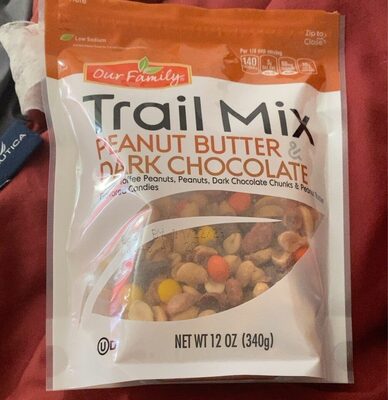
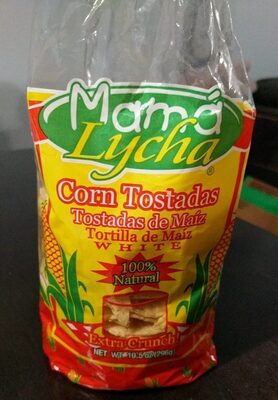
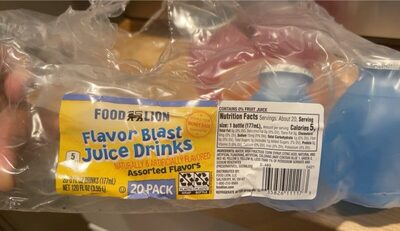
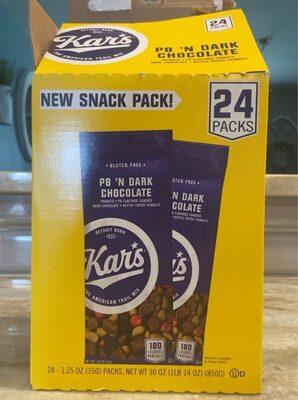
Foods that contain Artificial Coloring
Compare products →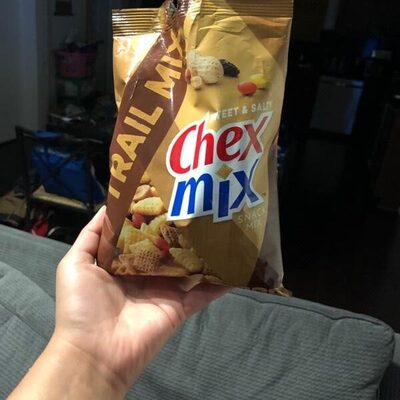 General Mills Sales
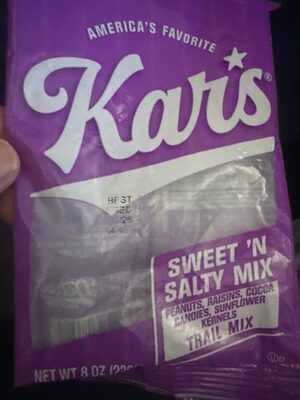
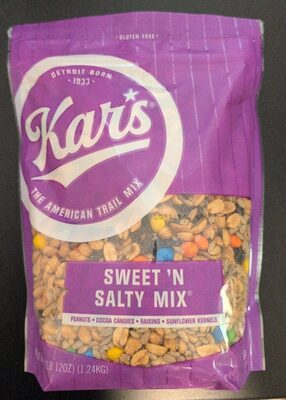
Chex Mix Sweet 'N Salty Trail Mix Snack Mix
429kcal
5.7Protein
14.3Fat
71.4Carbs
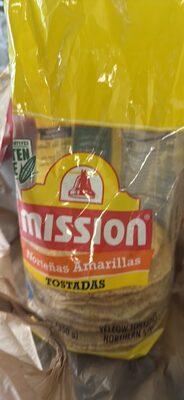
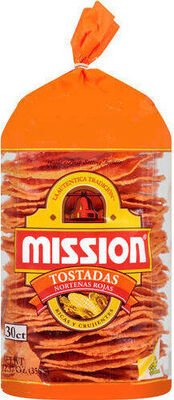
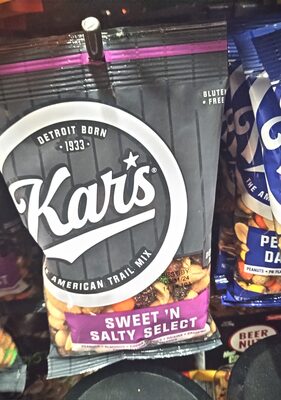
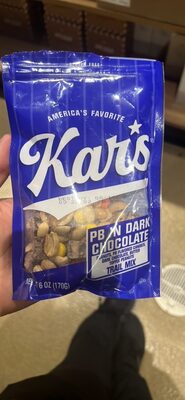

Learn more
Auto-generated content. This description was generated automatically and is pending editorial review. Inaccuracies are possible. Found a mistake? Contact us.