Artificial Colors Red 40
What is Artificial Colors Red 40?
Red 40, also known as Allura Red AC, is a synthetic food coloring. It is produced from petroleum and is one of the most commonly used red dyes in the United States.
Is Artificial Colors Red 40 vegan?
Artificial Colors Red 40 is not animal-derived. Products that contain it can still include other animal-derived ingredients, so check the full ingredient list.
Is Artificial Colors Red 40 a major allergen?
Red 40 is a synthetic chemical and is not considered a major allergen.
What is Artificial Colors Red 40 used for?
Manufacturers add Red 40 to give foods a vibrant red color.
Is Artificial Colors Red 40 safe?
Red 40 is an FDA-approved color additive for use in food.
Why it's used
Manufacturers add Red 40 to give foods a vibrant red color. It is frequently found in candies, beverages, cereals, and snacks like popcorn and cookies.
Health notes
Red 40 is an FDA-approved color additive for use in food. In April 2025, the FDA announced a plan to phase out petroleum-based synthetic dyes, including Red 40. The Joint FAO/WHO Expert Committee on Food Additives (JECFA) has evaluated Red 40 and set an acceptable daily intake. The European Food Safety Authority (EFSA) has also evaluated it. Some studies have suggested a link between synthetic food dyes, including Red 40, and hyperactivity in some children, particularly those who are sensitive to them. However, the evidence is mixed, and regulatory bodies continue to review the data.
Allergen info
Red 40 is a synthetic chemical and is not considered a major allergen.
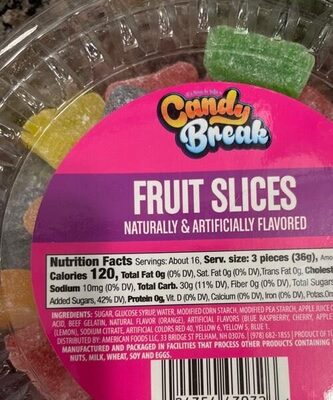
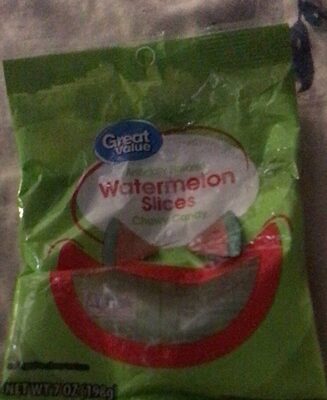
Foods that contain Artificial Colors Red 40
Compare products →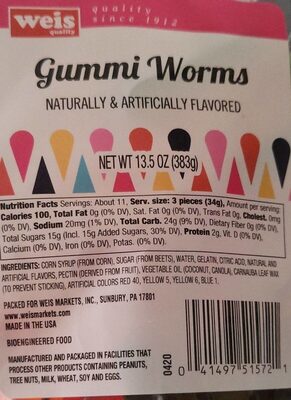


Learn more
Auto-generated content. This description was generated automatically and is pending editorial review. Inaccuracies are possible. Found a mistake? Contact us.