Artificial Rum Flavor
Auto-generated content. This description was generated automatically and is pending editorial review. Inaccuracies are possible. Found a mistake? Contact us.
What it is
Artificial rum flavor is a synthetic flavoring agent designed to mimic the taste and aroma of rum. It is created by combining various chemical compounds, including aldehydes, esters, and alcohols, in specific ratios. These compounds are often derived from petroleum or plant sources but are synthesized to achieve the desired flavor profile.
Why it's used
Manufacturers use artificial rum flavor to impart a rum-like taste to foods and beverages without using actual rum, which contains alcohol. It is commonly found in baked goods like cakes, cookies, and pastries, as well as in some candies and non-alcoholic drinks. Its purpose is to enhance the overall flavor profile of the product.
Health notes
Artificial rum flavor is generally recognized as safe (GRAS) by the FDA when used as a food flavoring. Regulatory bodies like JECFA and EFSA have evaluated many flavoring substances, and these are typically found to be safe at levels used in food. While generally considered safe, some individuals may have sensitivities to specific chemical components found in artificial flavors.
Allergen info
Artificial rum flavor is not derived from any of the nine major allergens recognized by the FDA. It does not contain gluten.
Products containing Artificial Rum Flavor
Compare products →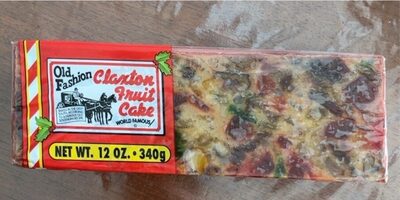 Claxton Bakery Inc
Old Fashion Claxton Fruit Cake, Old Fashion
High in added sugars — 20% DV per serving
372kcal
4.7Protein
11.6Fat
62.8Carbs
Claxton Bakery Inc
Old Fashion Claxton Fruit Cake, Old Fashion
High in added sugars — 20% DV per serving
372kcal
4.7Protein
11.6Fat
62.8Carbs
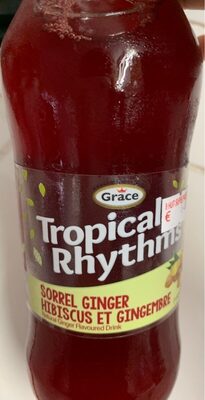 Sorrel Ginger Flavored Drink, Sorrel; Ginger
High in added sugars — 110% DV per serving
55kcal
0.2Protein
0Fat
13.3Carbs
Sorrel Ginger Flavored Drink, Sorrel; Ginger
High in added sugars — 110% DV per serving
55kcal
0.2Protein
0Fat
13.3Carbs
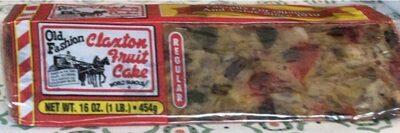 Claxton Bakery Inc
Old Fashion Fruit Cake, Old Fashion
High in added sugars — 22% DV per serving
349kcal
4.7Protein
10.5Fat
62.8Carbs
Claxton Bakery Inc
Regular Fruit Cake
High in added sugars — 22% DV per serving
349kcal
4.7Protein
10.5Fat
62.8Carbs
Claxton Bakery Inc
Old Fashion Fruit Cake, Old Fashion
High in added sugars — 22% DV per serving
349kcal
4.7Protein
10.5Fat
62.8Carbs
Claxton Bakery Inc
Regular Fruit Cake
High in added sugars — 22% DV per serving
349kcal
4.7Protein
10.5Fat
62.8Carbs