Baking Soda / Sodium Bicarbonate
Auto-generated content. This description was generated automatically and is pending editorial review. Inaccuracies are possible. Found a mistake? Contact us.
What it is
Baking soda, also known as sodium bicarbonate, is a white crystalline powder. It is a naturally occurring mineral, but for food use, it is typically manufactured from sodium carbonate, which is derived from salt and limestone.
Why it's used
Baking soda is a leavening agent, meaning it helps doughs and batters rise. When heated or combined with an acid, it produces carbon dioxide gas, creating a light and airy texture in baked goods like cakes, cookies, and breads. It can also be used to neutralize acidity in foods.
Health notes
Baking soda is Generally Recognized As Safe (GRAS) by the FDA for use in food. It is a common ingredient in many foods and is also used as an antacid. JECFA has evaluated sodium bicarbonate and established an acceptable daily intake. At typical food consumption levels, it is not associated with adverse health effects. High intakes, however, can cause digestive upset.
Allergen info
Baking soda is not derived from any of the nine FDA major allergens. It does not contain gluten.
Products containing Baking Soda / Sodium Bicarbonate
Compare products →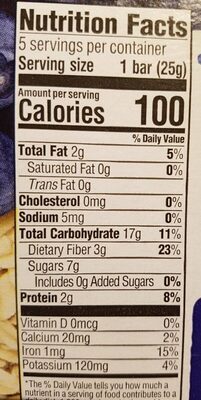 Nurture, Inc.
Organic Blueberries & Oatmeal Super Foods Gluten Free Bar, Organic Blueberries & Oatmeal
400kcal
8Protein
8Fat
68Carbs
Whole Foods Market, Inc.
Cinnamon Roll Flavored Organic Ice Cream Sandwiches, Cinnamon Roll
High in added sugars — 30% DV per serving
262kcal
4.6Protein
9.2Fat
41.5Carbs
Nurture, Inc.
Organic Blueberries & Oatmeal Super Foods Gluten Free Bar, Organic Blueberries & Oatmeal
400kcal
8Protein
8Fat
68Carbs
Whole Foods Market, Inc.
Cinnamon Roll Flavored Organic Ice Cream Sandwiches, Cinnamon Roll
High in added sugars — 30% DV per serving
262kcal
4.6Protein
9.2Fat
41.5Carbs
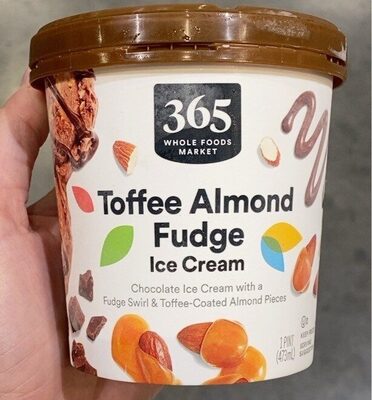 Whole Foods Market, Inc.
Toffee Almond Fudge Chocolate Ice Cream With A Fudge Swirl & Toffee-Coated Almond Pieces, Toffee Almond Fudge
High in saturated fat — 40% DV per serving
High in added sugars — 40% DV per serving
247kcal
4.1Protein
13.4Fat
28.9Carbs
Whole Foods Market, Inc.
Toffee Almond Fudge Chocolate Ice Cream With A Fudge Swirl & Toffee-Coated Almond Pieces, Toffee Almond Fudge
High in saturated fat — 40% DV per serving
High in added sugars — 40% DV per serving
247kcal
4.1Protein
13.4Fat
28.9Carbs
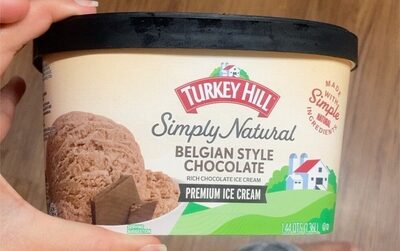 Turkey Hill Dairy Inc.
Simply Natural Belgian Style Chocolate Premium Ice Cream, Chocolate
High in saturated fat — 35% DV per serving
High in added sugars — 40% DV per serving
223kcal
4.3Protein
10.6Fat
28.7Carbs
Turkey Hill Dairy Inc.
Simply Natural Belgian Style Chocolate Premium Ice Cream, Chocolate
High in saturated fat — 35% DV per serving
High in added sugars — 40% DV per serving
223kcal
4.3Protein
10.6Fat
28.7Carbs