Barley Extractive
What is Barley Extractive?
Barley extractive is a concentrated liquid derived from barley. It is produced by processing barley grains to extract their soluble components, often involving enzymatic treatment and filtration. This process captures the natural flavors and some nutrients from the barley.
Is Barley Extractive vegan?
Barley Extractive is not animal-derived. Products that contain it can still include other animal-derived ingredients, so check the full ingredient list.
Is Barley Extractive gluten-free?
Barley is a grain that contains gluten.
What is Barley Extractive used for?
Manufacturers use barley extractive primarily to add a distinct malty, slightly sweet, and savory flavor to foods.
Is Barley Extractive safe?
Barley extractive is generally recognized as safe (GRAS) by the FDA for use in food.
Why it's used
Manufacturers use barley extractive primarily to add a distinct malty, slightly sweet, and savory flavor to foods. It can enhance the overall taste profile of savory dishes and baked goods. It is commonly found in frozen dinners, soups, sauces, and some snack products.
Health notes
Barley extractive is generally recognized as safe (GRAS) by the FDA for use in food. It is a natural food ingredient and is not associated with significant health concerns when consumed in typical amounts. Regulatory bodies like JECFA have not set specific limits for it, as it is considered a food ingredient rather than a food additive requiring strict regulation.
Allergen info
Barley is a grain that contains gluten. Therefore, barley extractive is not gluten-free and may be unsuitable for individuals with celiac disease or gluten sensitivity.
Foods that contain Barley Extractive
Compare products →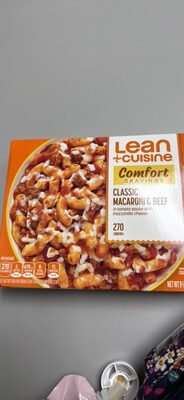 Nestle Usa-Frozen Food Division
Favorites Classic In Tomato Sauce Macaroni & Beef
High in sodium — 23% DV per serving
93kcal
4.8Protein
1.7Fat
14.9Carbs
Nestle Usa-Frozen Food Division
Favorites Classic In Tomato Sauce Macaroni & Beef
High in sodium — 23% DV per serving
93kcal
4.8Protein
1.7Fat
14.9Carbs
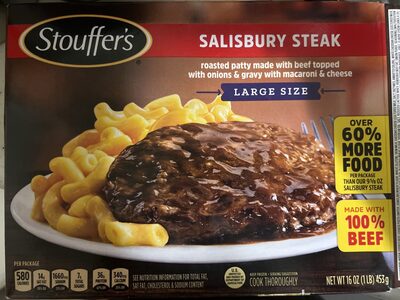 Nestle Usa-Frozen Food Division
Salisbury Steak Roasted Patty Made With Beef Topped With Onions & Gravy With Macaroni & Cheese, Salisbury Steak
High in sodium — 73% DV per serving
High in saturated fat — 60% DV per serving
High in cholesterol — 29% DV per serving
121kcal
8.6Protein
4.9Fat
10.6Carbs
Nestle Usa-Frozen Food Division
Stuffed Cabbage Meat-Filled Cabbage Roll With Tomato Sauce & Whipped Potatoes, Stuffed Cabbage
High in sodium — 29% DV per serving
78kcal
3.7Protein
2.2Fat
11.2Carbs
Nestle Usa-Frozen Food Division
Salisbury Steak Roasted Patty Made With Beef Topped With Onions & Gravy With Macaroni & Cheese, Salisbury Steak
High in sodium — 73% DV per serving
High in saturated fat — 60% DV per serving
High in cholesterol — 29% DV per serving
121kcal
8.6Protein
4.9Fat
10.6Carbs
Nestle Usa-Frozen Food Division
Stuffed Cabbage Meat-Filled Cabbage Roll With Tomato Sauce & Whipped Potatoes, Stuffed Cabbage
High in sodium — 29% DV per serving
78kcal
3.7Protein
2.2Fat
11.2Carbs
Learn more
Auto-generated content. This description was generated automatically and is pending editorial review. Inaccuracies are possible. Found a mistake? Contact us.