Batata
What is Batata?
Batata is the Portuguese word for sweet potato. Sweet potatoes are starchy root vegetables native to Central and South America. They are typically grown for their edible tubers, which can be eaten baked, boiled, fried, or roasted.
Is Batata vegan?
Batata is not animal-derived. Products that contain it can still include other animal-derived ingredients, so check the full ingredient list.
Is Batata gluten-free?
It does not contain gluten.
Is Batata a major allergen?
Sweet potato is not one of the nine major allergens recognized by the FDA.
What is Batata used for?
Manufacturers use batata, or sweet potato, as a source of carbohydrates and natural sweetness in packaged foods.
Is Batata safe?
Sweet potato is generally recognized as safe (GRAS) by the FDA when used as a food ingredient.
Why it's used
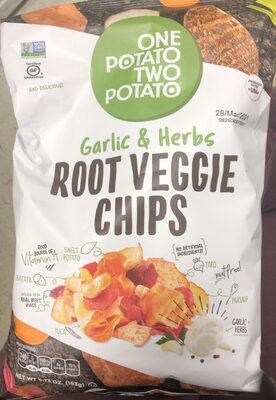
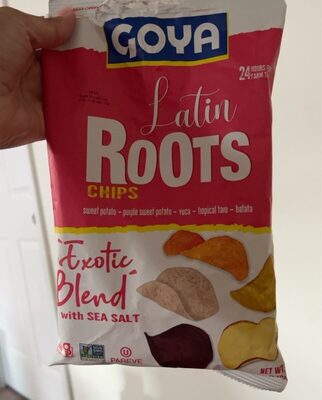
Manufacturers use batata, or sweet potato, as a source of carbohydrates and natural sweetness in packaged foods. It is often found in snack foods like chips and pretzels, where it contributes flavor and texture.
Health notes
Sweet potato is generally recognized as safe (GRAS) by the FDA when used as a food ingredient. It is a good source of vitamins A and C, as well as fiber. International bodies like JECFA and EFSA have evaluated sweet potato and its components. Evidence does not suggest adverse health effects from consuming sweet potato at typical dietary levels.
Allergen info
Sweet potato is not one of the nine major allergens recognized by the FDA. It does not contain gluten.
Foods that contain Batata
Compare products →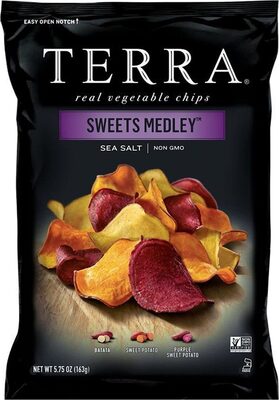 Terra
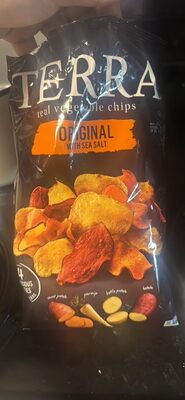
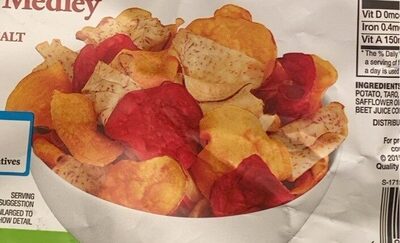
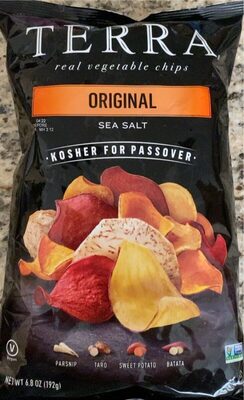
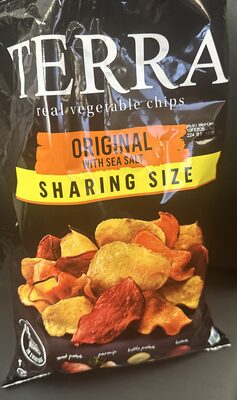
Terra, Real Vegetable Chips, Sweets Medley, Sweets Medley
500kcal
3.6Protein
28.6Fat
60.7Carbs
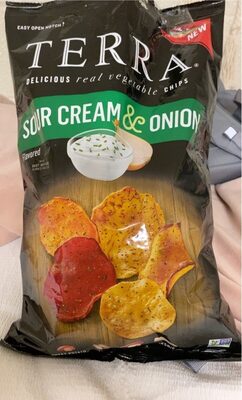
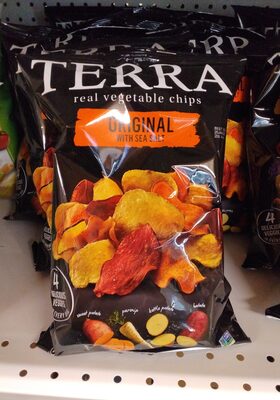
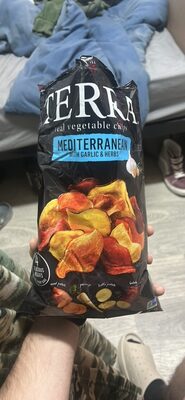
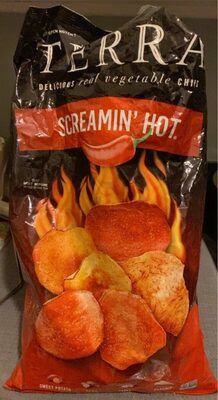
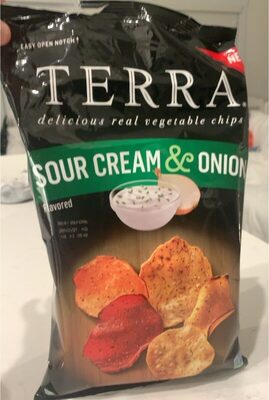 Terra
Sour Cream & Onion Real Vegetable Chips, Sour Cream & Onion
536kcal
3.6Protein
35.7Fat
50Carbs
Auto-generated content. This description was generated automatically and is pending editorial review. Inaccuracies are possible. Found a mistake? Contact us.