Beef Juices
What is Beef Juices?
Beef juices are the natural liquids released from beef during cooking or processing. They are typically collected and concentrated to enhance the meaty flavor and color of food products. This process often involves simmering beef bones and meat to extract savory compounds.
Is Beef Juices vegan?
No. Beef Juices is animal-derived, so it is not vegan.
Is Beef Juices a major allergen?
Beef is not one of the nine major food allergens identified by the FDA.
What is Beef Juices used for?
Manufacturers add beef juices to improve the savory, umami taste and rich color of various foods.
Is Beef Juices safe?
Beef juices are generally recognized as safe (GRAS) by the FDA when used as a food ingredient.
Why it's used
Manufacturers add beef juices to improve the savory, umami taste and rich color of various foods. They are commonly found in gravies, sauces, soups, frozen dinners, and processed meat products to provide a more authentic beef flavor.
Health notes
Beef juices are generally recognized as safe (GRAS) by the FDA when used as a food ingredient. They are a natural component of meat and do not have specific regulatory limits when used in typical food applications. International bodies like JECFA have evaluated similar meat extracts, but no specific health concerns are associated with the consumption of beef juices at normal dietary levels.
Allergen info
Beef is not one of the nine major food allergens identified by the FDA. Therefore, beef juices are not considered a major allergen.
Foods that contain Beef Juices
Compare products →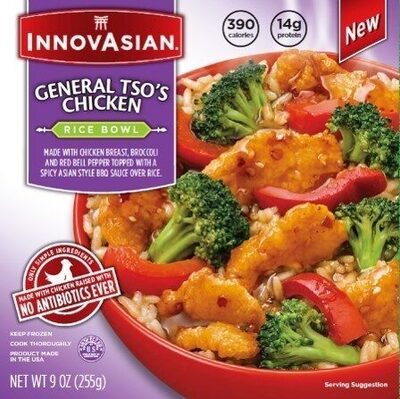
Learn more
Auto-generated content. This description was generated automatically and is pending editorial review. Inaccuracies are possible. Found a mistake? Contact us.