Belgian Semi-sweet Chocolate
Auto-generated content. This description was generated automatically and is pending editorial review. Inaccuracies are possible. Found a mistake? Contact us.
What it is
Belgian semi-sweet chocolate is a type of chocolate that typically contains a higher percentage of cocoa solids and less sugar than milk chocolate. It is made from cocoa beans, sugar, cocoa butter, and often vanilla and lecithin. The "semi-sweet" designation indicates a balance between bitterness and sweetness, making it versatile for baking and confectionery.
Why it's used
Manufacturers use Belgian semi-sweet chocolate primarily for its rich chocolate flavor and smooth texture. It is a popular ingredient in cookies, brownies, cakes, and candies, where its distinct taste can shine through. It can also be used as a coating or filling for various desserts.
Health notes
Chocolate, in general, contains compounds like flavanols that have been studied for potential health benefits, such as supporting heart health. However, the high sugar and fat content in semi-sweet chocolate can contribute to excess calorie intake. Regulatory bodies like the FDA have not set specific limits for chocolate consumption. JECFA and EFSA have evaluated cocoa and cocoa products, generally recognizing them as safe when consumed in moderation as part of a balanced diet.
Allergen info
Belgian semi-sweet chocolate is not a major allergen. However, it may be manufactured in facilities that also process milk, soy, or nuts, leading to potential cross-contamination. Check product labels for specific allergen warnings.
Products containing Belgian Semi-sweet Chocolate
Compare products →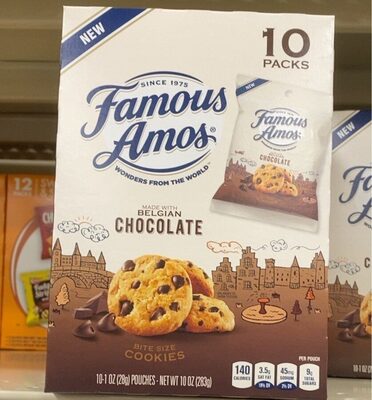 Belgian Chocolate Bite Size Cookies
500kcal
7.1Protein
25Fat
64.3Carbs
Belgian Chocolate Bite Size Cookies
500kcal
7.1Protein
25Fat
64.3Carbs
 President Baking Company, Inc.
Belgian Chocolate Bite Size Cookies, Chocolate
High in saturated fat — 20% DV per serving
483kcal
6.9Protein
24.1Fat
65.5Carbs
Taste It Presents Inc.
Belgian Chocolate Mousse Cake, Chocolate
High in saturated fat — 30% DV per serving
329kcal
4.7Protein
17.6Fat
42.4Carbs
President Baking Company, Inc.
Belgian Chocolate Bite Size Cookies, Chocolate
High in saturated fat — 20% DV per serving
483kcal
6.9Protein
24.1Fat
65.5Carbs
Taste It Presents Inc.
Belgian Chocolate Mousse Cake, Chocolate
High in saturated fat — 30% DV per serving
329kcal
4.7Protein
17.6Fat
42.4Carbs
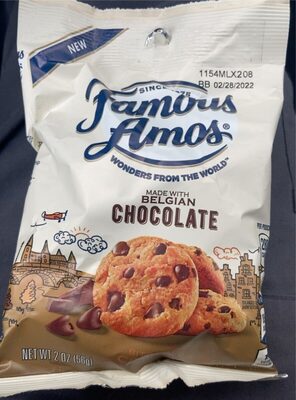 President Baking Company, Inc.
Belgian Chocolate Bite Size Cookies, Belgian Chocolate
High in saturated fat — 35% DV per serving
High in added sugars — 36% DV per serving
500kcal
5.4Protein
25Fat
66.1Carbs
President Baking Company, Inc.
Belgian Chocolate Bite Size Cookies, Belgian Chocolate
High in saturated fat — 35% DV per serving
High in added sugars — 36% DV per serving
500kcal
5.4Protein
25Fat
66.1Carbs