Bifidobacteria
Auto-generated content. This description was generated automatically and is pending editorial review. Inaccuracies are possible. Found a mistake? Contact us.
What it is
Bifidobacteria are a type of bacteria that naturally live in the human gut, particularly in the large intestine. They are often added to foods as live cultures, sometimes referred to as probiotics, which are beneficial microorganisms. These bacteria can be grown in laboratory settings for use in food production.
Why it's used
Bifidobacteria are added to foods as a source of live, beneficial bacteria, often marketed as probiotics. They are commonly found in fermented dairy products like yogurt and kefir, as well as in some non-dairy alternatives and supplements. Their presence is intended to contribute to the food's functional properties.
Health notes
Bifidobacteria are generally recognized as safe (GRAS) by the FDA for use in food. They are considered probiotics, and research suggests they may play a role in gut health. International bodies like JECFA have evaluated probiotics, but do not typically set specific numeric limits for live cultures. Evidence on specific health benefits is ongoing and can vary depending on the strain and the individual.
Allergen info
Bifidobacteria itself is not a major allergen. However, it is often found in dairy products like yogurt, which are major allergens. Check product labels for other ingredients if you have allergies.
Products containing Bifidobacteria
Compare products →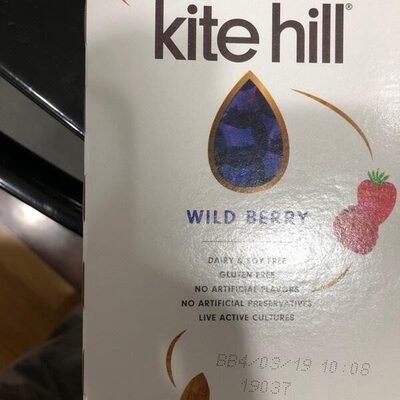 Lyrical Foods, inc
Wild Berry Artisan Almond Milk Yogurt, Wild Berry
140kcal
4Protein
7Fat
14Carbs
Lyrical Foods, inc
Dairy Free French Onion Dips, French Onion
125kcal
4.2Protein
8.3Fat
8.3Carbs
Lyrical Foods, inc
Wild Berry Artisan Almond Milk Yogurt, Wild Berry
140kcal
4Protein
7Fat
14Carbs
Lyrical Foods, inc
Dairy Free French Onion Dips, French Onion
125kcal
4.2Protein
8.3Fat
8.3Carbs