Black Teas
What is Black Teas?
Black tea comes from the leaves of the Camellia sinensis plant. It is fully oxidized, meaning the leaves are allowed to dry and turn brown or black before being processed. This process gives black tea its characteristic dark color and robust flavor.
Is Black Teas vegan?
Black Teas is not animal-derived. Products that contain it can still include other animal-derived ingredients, so check the full ingredient list.
Is Black Teas gluten-free?
It does not contain gluten.
Is Black Teas a major allergen?
Black tea is not one of the 9 FDA major allergens.
What is Black Teas used for?
Black tea is primarily used to create brewed beverages, both hot and cold.
Is Black Teas safe?
Black tea is widely consumed and has been the subject of numerous studies.
Why it's used
Black tea is primarily used to create brewed beverages, both hot and cold. Manufacturers use it for its distinct flavor and color in products like bottled iced teas, powdered drink mixes, and ready-to-drink tea beverages. It can also be used as a flavoring agent in some baked goods and desserts.
Health notes
Black tea is widely consumed and has been the subject of numerous studies. It contains compounds like flavonoids and caffeine, which can have stimulant effects. Regulatory bodies like the WHO/IARC have evaluated tea, but specific health claims are complex and depend on many factors. Evidence on long-term health effects is mixed and ongoing.
Allergen info
Black tea is not one of the 9 FDA major allergens. It does not contain gluten.
Foods that contain Black Teas
Compare products →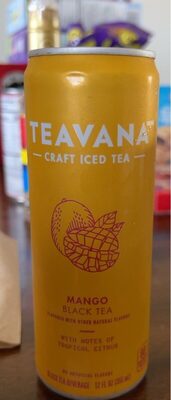

Auto-generated content. This description was generated automatically and is pending editorial review. Inaccuracies are possible. Found a mistake? Contact us.