Rebaudioside-a
What is Rebaudioside-a?
Rebaudioside-A is a sweet compound found in the leaves of the Stevia rebaudiana plant. It is extracted from the leaves and then purified to create a highly concentrated sweetener.
Is Rebaudioside-a vegan?
Rebaudioside-a is not animal-derived. Products that contain it can still include other animal-derived ingredients, so check the full ingredient list.
Is Rebaudioside-a gluten-free?
It does not contain gluten.
Is Rebaudioside-a a major allergen?
Rebaudioside-A is not derived from any of the 9 FDA major allergens.
What is Rebaudioside-a used for?
Manufacturers use Rebaudioside-A as a high-intensity sweetener to reduce the sugar and calorie content of foods and beverages.
Is Rebaudioside-a safe?
Rebaudioside-A is Generally Recognized As Safe (GRAS) by the U.S. Food and Drug Administration (FDA) for use as a sweetener.
Why it's used
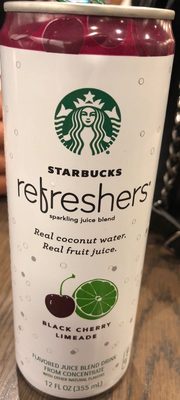
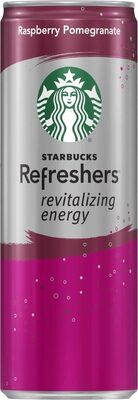
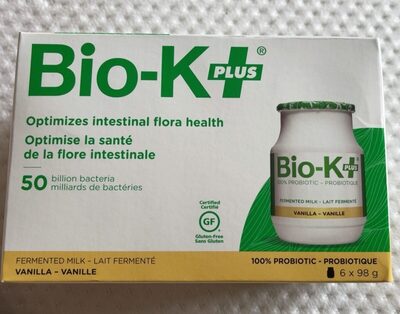
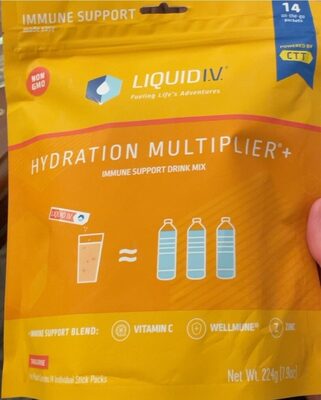
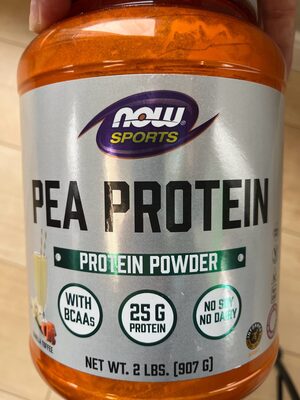
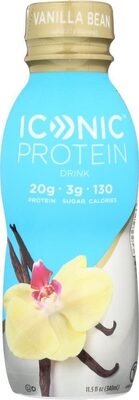
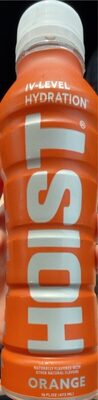
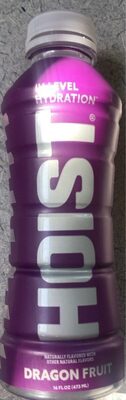
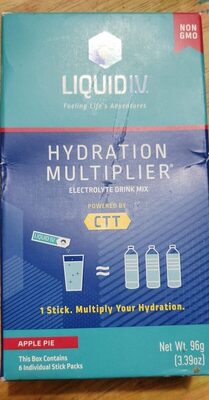
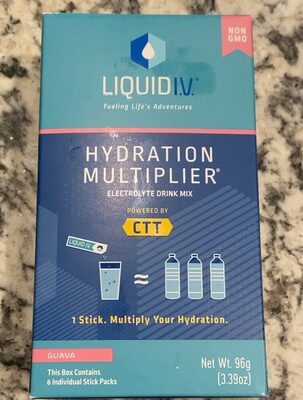
Manufacturers use Rebaudioside-A as a high-intensity sweetener to reduce the sugar and calorie content of foods and beverages. It is commonly found in products like yogurt, powdered drinks, fruit juices, and nectars.
Health notes
Rebaudioside-A is Generally Recognized As Safe (GRAS) by the U.S. Food and Drug Administration (FDA) for use as a sweetener. Regulatory bodies like the Joint FAO/WHO Expert Committee on Food Additives (JECFA) and the European Food Safety Authority (EFSA) have evaluated steviol glycosides, including Rebaudioside-A, and found them safe for consumption within acceptable limits. Studies generally show no adverse health effects at typical consumption levels.
Allergen info
Rebaudioside-A is not derived from any of the 9 FDA major allergens. It does not contain gluten.
Foods that contain Rebaudioside-a
Compare products →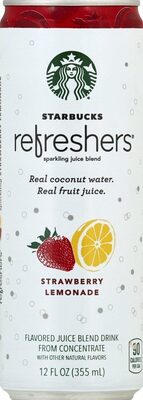
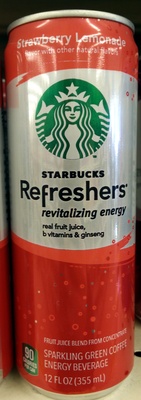
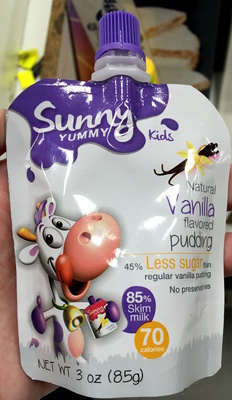
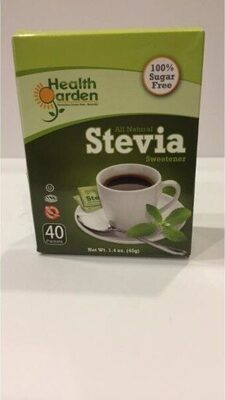
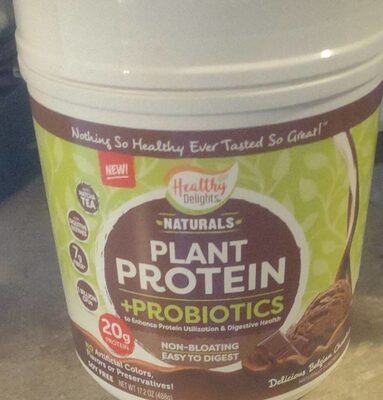



Learn more
Auto-generated content. This description was generated automatically and is pending editorial review. Inaccuracies are possible. Found a mistake? Contact us.