Blue Frosting
What is Blue Frosting?
Blue frosting is a sweet, spreadable topping used on baked goods. It's typically made from sugar, fat (like butter or shortening), liquid, and flavorings, with blue food coloring added to give it its distinctive hue.
Is Blue Frosting a major allergen?
Blue frosting can contain major allergens depending on its specific recipe.
What is Blue Frosting used for?
It is widely used to decorate cakes, cupcakes, cookies, and other desserts, providing both sweetness and a vibrant blue visual appeal.
Is Blue Frosting safe?
The blue color in frosting often comes from synthetic food dyes like Blue 1 or Blue 2.
Why it's used
It is widely used to decorate cakes, cupcakes, cookies, and other desserts, providing both sweetness and a vibrant blue visual appeal. It can also be found as a topping or filling in various packaged dessert products.
Health notes
The blue color in frosting often comes from synthetic food dyes like Blue 1 or Blue 2. These dyes are approved by the FDA for use in food. In April 2025, the FDA announced a plan to phase out petroleum-based synthetic dyes, including Blue 1 and Blue 2. Both Blue 1 and Blue 2 have been evaluated by JECFA, which has set acceptable daily intakes. Some studies have suggested a possible link between synthetic food dyes and hyperactivity in some children, but evidence is mixed and not conclusive across all studies. The FDA acknowledges these concerns but states that current evidence does not establish a causal link for the general population.
Allergen info
Blue frosting can contain major allergens depending on its specific recipe. Common allergens found in frosting may include milk (from butter or milk), soy (from soy lecithin or shortening), and wheat (if flour is used as a thickener).
Foods that contain Blue Frosting
Compare products →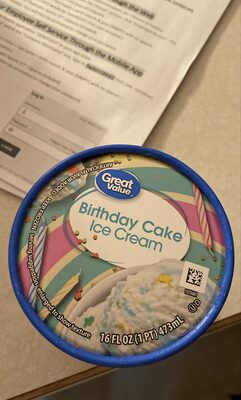
Auto-generated content. This description was generated automatically and is pending editorial review. Inaccuracies are possible. Found a mistake? Contact us.