Blue Green Algae
Auto-generated content. This description was generated automatically and is pending editorial review. Inaccuracies are possible. Found a mistake? Contact us.
What it is
Blue-green algae are a type of cyanobacteria, a single-celled organism found in both fresh and saltwater. They are often harvested from natural bodies of water or cultivated in controlled environments. The algae are then processed, which can involve drying, grinding, or extracting specific compounds.
Why it's used
Blue-green algae are used as a source of nutrients and as a natural colorant in foods and beverages. They can impart a blue or green hue. You might find them in juices, teas, and other health-focused drinks.
Health notes
In the U.S., certain forms of blue-green algae, like spirulina and chlorella, are generally recognized as safe (GRAS) by the FDA for use as food ingredients. They are a source of protein, vitamins, and minerals. International bodies like JECFA have evaluated algae-based food ingredients, but specific evaluations for all types of blue-green algae may vary. Some research suggests potential antioxidant and anti-inflammatory benefits, but more studies are needed to confirm these effects at typical dietary intakes.
Allergen info
Blue-green algae are not one of the nine major allergens recognized by the FDA. They do not contain gluten.
Products containing Blue Green Algae
Compare products →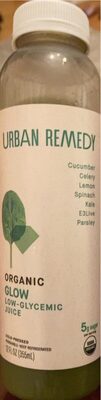 Urban Remedy
Glow Cucumber, Celery, Lemon, Spinach, E3Live, Kale, Parsley Organic Cold-Pressed Juice, Glow
11kcal
0.3Protein
0Fat
2.5Carbs
Drink Daily Greens, LLC
Spearmint Ginseng Holy Basil Unsweetened Cold Brewed Butterfly Tea, Spearmint Ginseng Holy Basil Unsweetened
0kcal
0Protein
0Fat
0Carbs
Drink Daily Greens, LLC
The Original Cold-Pressed Lemonade Fruit Juice Drink Blend, The Original
4kcal
0Protein
0Fat
1.1Carbs
Daklen Nutrition
Juice Drink Blend, Green Elements
46kcal
0.4Protein
0Fat
11.7Carbs
RE-HARVEST PROVISIONS
Super Greens Detox Superfood Smoothie Pops, Super Greens
54kcal
2.2Protein
0Fat
13.0Carbs
Urban Remedy
Glow Cucumber, Celery, Lemon, Spinach, E3Live, Kale, Parsley Organic Cold-Pressed Juice, Glow
11kcal
0.3Protein
0Fat
2.5Carbs
Drink Daily Greens, LLC
Spearmint Ginseng Holy Basil Unsweetened Cold Brewed Butterfly Tea, Spearmint Ginseng Holy Basil Unsweetened
0kcal
0Protein
0Fat
0Carbs
Drink Daily Greens, LLC
The Original Cold-Pressed Lemonade Fruit Juice Drink Blend, The Original
4kcal
0Protein
0Fat
1.1Carbs
Daklen Nutrition
Juice Drink Blend, Green Elements
46kcal
0.4Protein
0Fat
11.7Carbs
RE-HARVEST PROVISIONS
Super Greens Detox Superfood Smoothie Pops, Super Greens
54kcal
2.2Protein
0Fat
13.0Carbs