Chicory
What is Chicory?
Chicory is a plant whose root is often roasted, ground, and used as a coffee substitute or additive. The root can also be a source of inulin, a type of dietary fiber. It is grown in many parts of the world, including the United States.
Is Chicory vegan?
Chicory is not animal-derived. Products that contain it can still include other animal-derived ingredients, so check the full ingredient list.
Is Chicory gluten-free?
It does not contain gluten.
Is Chicory a major allergen?
Chicory is not derived from any of the nine FDA major allergens.
What is Chicory used for?
Chicory root is added to foods for its slightly bitter flavor and as a source of soluble fiber, particularly inulin.
Is Chicory safe?
Chicory root, especially its inulin component, is generally recognized as safe (GRAS) by the FDA for use in food.
Why it's used
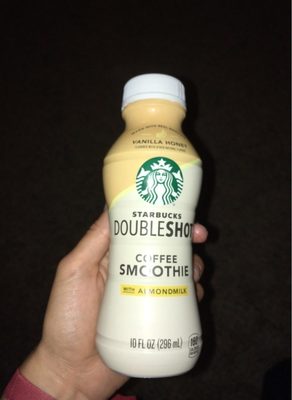
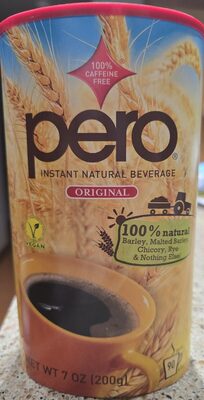
Chicory root is added to foods for its slightly bitter flavor and as a source of soluble fiber, particularly inulin. It's often found in coffee and tea blends, baked goods, and dairy products like ice cream. Manufacturers use it to add fiber and a coffee-like taste without caffeine.
Health notes
Chicory root, especially its inulin component, is generally recognized as safe (GRAS) by the FDA for use in food. Inulin is a prebiotic fiber that may support gut health. Some studies suggest inulin can help improve blood sugar control and may aid in weight management. JECFA has evaluated chicory root extract and found it safe for consumption. Evidence for health benefits is generally positive, but more research is ongoing.
Allergen info
Chicory is not derived from any of the nine FDA major allergens. It does not contain gluten.
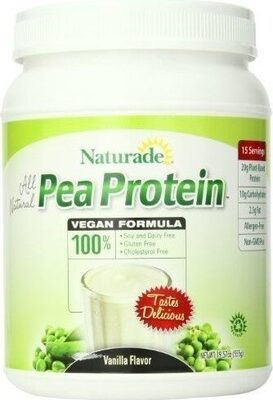
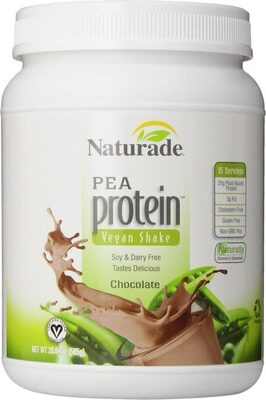
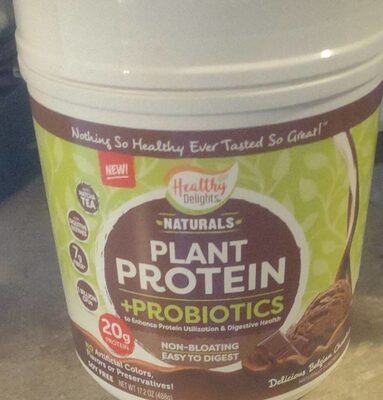
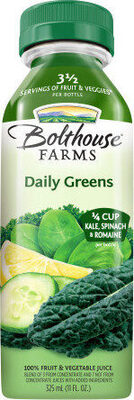
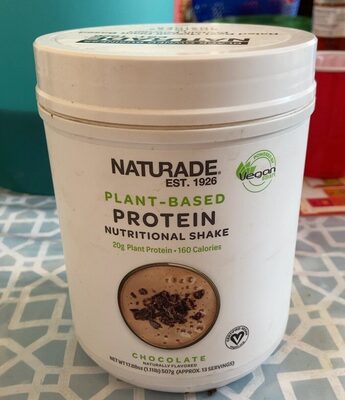
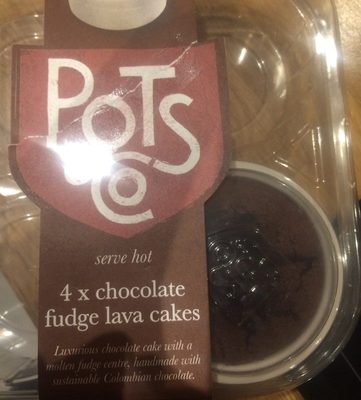
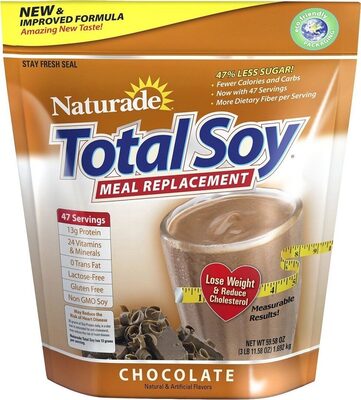
Foods that contain Chicory
Compare products →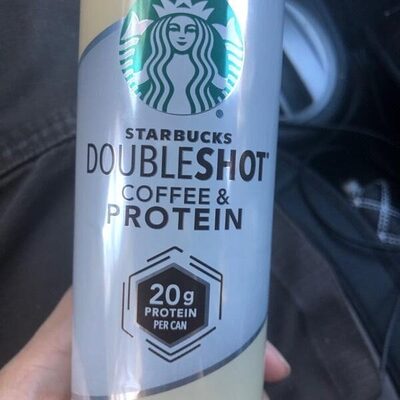





Auto-generated content. This description was generated automatically and is pending editorial review. Inaccuracies are possible. Found a mistake? Contact us.