Blue Lake #1 & #2
Auto-generated content. This description was generated automatically and is pending editorial review. Inaccuracies are possible. Found a mistake? Contact us.
What it is
Blue Lake dyes, such as FD&C Blue No. 1 Lake and FD&C Blue No. 2 Lake, are synthetic color additives. They are made by combining water-soluble blue dyes with an insoluble base, typically alumina hydrate, to create a pigment that does not dissolve in water.
Why it's used
These lake dyes are used to impart a blue color to foods, especially those with low moisture or high fat content. They are commonly found in candies, baked goods, snack coatings, and other processed foods where a stable, non-bleeding color is desired.
Health notes
In the US, FD&C Blue No. 1 Lake and FD&C Blue No. 2 Lake are approved by the FDA as color additives, requiring certification for each batch. JECFA has evaluated both dyes and set an acceptable daily intake. Some studies have suggested a possible link between synthetic food dyes and hyperactivity in some children, but the FDA states that current evidence does not support a causal link for the general population. In April 2025, the FDA announced a plan to phase out petroleum-based synthetic dyes, which includes Blue 1 and Blue 2.
Allergen info
Not a major allergen.
Products containing Blue Lake #1 & #2
Compare products →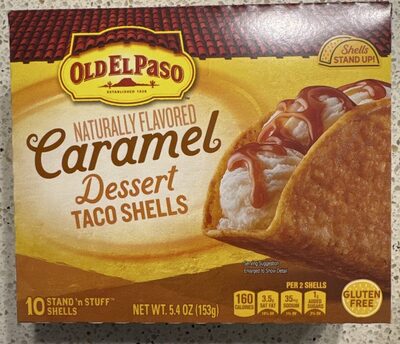 GENERAL MILLS SALES INC.
Old El Paso Stand 'N Stuff Caramel Taco Shells 10 Count
510kcal
5.6Protein
26.5Fat
62.1Carbs
GENERAL MILLS SALES INC.
Old El Paso Stand 'N Stuff Caramel Taco Shells 10 Count
510kcal
5.6Protein
26.5Fat
62.1Carbs
 GENERAL MILLS SALES INC.
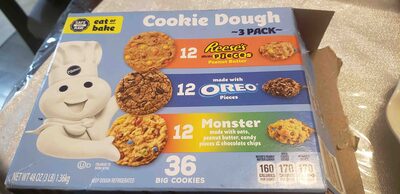
Pillsbury Ready to Bake! Cookie Dough 3 Pack
High in added sugars — 28% DV per serving
422kcal
5.3Protein
17.8Fat
60.7Carbs
GENERAL MILLS SALES INC.
Pillsbury Ready to Bake! Monster Cookie Dough 12 Count
High in added sugars — 28% DV per serving
447kcal
5.3Protein
21.1Fat
57.9Carbs
GENERAL MILLS SALES INC.
Pillsbury Ready to Bake! Chocolate Chip Double Chocolate Monster Cookies 3 Pack
High in added sugars — 28% DV per serving
447kcal
5.3Protein
21.1Fat
57.9Carbs
GENERAL MILLS SALES INC.
Pillsbury Ready to Bake! Cookie Dough 3 Pack
High in added sugars — 28% DV per serving
422kcal
5.3Protein
17.8Fat
60.7Carbs
GENERAL MILLS SALES INC.
Pillsbury Ready to Bake! Monster Cookie Dough 12 Count
High in added sugars — 28% DV per serving
447kcal
5.3Protein
21.1Fat
57.9Carbs
GENERAL MILLS SALES INC.
Pillsbury Ready to Bake! Chocolate Chip Double Chocolate Monster Cookies 3 Pack
High in added sugars — 28% DV per serving
447kcal
5.3Protein
21.1Fat
57.9Carbs