Bock Beer
What is Bock Beer?
Bock beer is a type of strong lager beer that originated in Germany. It is typically brewed in the fall and winter months and is known for its rich, malty flavor and darker color. Bock beers are often higher in alcohol content than standard lagers.
Is Bock Beer gluten-free?
Barley contains gluten, a protein that can cause adverse reactions in individuals with celiac disease or gluten sensitivity.
Is Bock Beer a major allergen?
Beer is typically made from barley and hops.
What is Bock Beer used for?
Bock beer is used as a flavoring ingredient in various food products, particularly in sauces, marinades, and stews.
Is Bock Beer safe?
Bock beer is a fermented alcoholic beverage.
Why it's used
Bock beer is used as a flavoring ingredient in various food products, particularly in sauces, marinades, and stews. Its malty sweetness and robust flavor can add depth and complexity to savory dishes. It is also sometimes used in baked goods like breads and cakes.
Health notes
Bock beer is a fermented alcoholic beverage. Moderate alcohol consumption is not associated with adverse health effects for most adults. However, excessive alcohol intake can lead to numerous health problems. The FDA does not specifically regulate beer as a food additive. JECFA has evaluated alcoholic beverages.
Allergen info
Beer is typically made from barley and hops. Barley contains gluten, a protein that can cause adverse reactions in individuals with celiac disease or gluten sensitivity. Therefore, bock beer is not considered safe for those avoiding gluten.
Foods that contain Bock Beer
Compare products →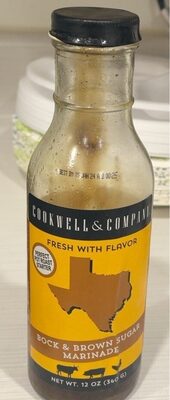
Auto-generated content. This description was generated automatically and is pending editorial review. Inaccuracies are possible. Found a mistake? Contact us.