Bovine Collagen
Auto-generated content. This description was generated automatically and is pending editorial review. Inaccuracies are possible. Found a mistake? Contact us.
What it is
Bovine collagen is a protein derived from cows. It is extracted from the connective tissues, bones, and hides of cattle. The process typically involves boiling these materials in water to break down the collagen into a more digestible form, often resulting in gelatin or hydrolyzed collagen.
Why it's used
Manufacturers add bovine collagen for its protein content and potential functional properties in food. It can act as a binder, thickener, or emulsifier. It is frequently found in protein bars, supplements, and some processed foods aiming to boost protein content.
Health notes
Bovine collagen is generally recognized as safe (GRAS) by the FDA when used as intended in food. JECFA has evaluated collagen and gelatin, setting acceptable daily intakes. Some peer-reviewed reviews suggest potential benefits for skin, joint, and bone health, but more research is needed to confirm these effects at typical dietary intake levels. Evidence is mixed, and it is not a cure for any disease.
Allergen info
Bovine collagen is derived from cows, which are not among the FDA's nine major food allergens. It does not contain gluten.
Products containing Bovine Collagen
Compare products →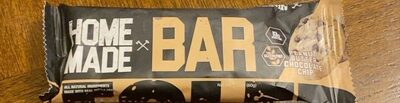 Southwest Products Corp.
Peanut Butter Chocolate Chip Home Made Bar, Peanut Butter Chocolate Chip
High in added sugars — 28% DV per serving
450kcal
31.7Protein
21.7Fat
36.7Carbs
Southwest Products Corp.
Peanut Butter Chocolate Chip Home Made Bar, Peanut Butter Chocolate Chip
High in added sugars — 28% DV per serving
450kcal
31.7Protein
21.7Fat
36.7Carbs
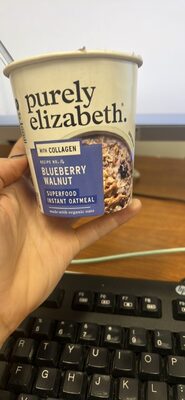 Purely Elizabeth
Blueberry Walnut With Collagen Superfood Oatmeal, Blueberry Walnut
397kcal
15.5Protein
8.6Fat
63.8Carbs
Purely Elizabeth
Blueberry Walnut With Collagen Superfood Oatmeal, Blueberry Walnut
397kcal
15.5Protein
8.6Fat
63.8Carbs
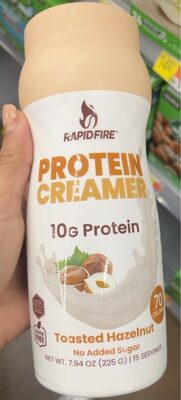 Windmill Health Products
Toasted Hazelnut Protein Creamer, Toasted Hazelnut
467kcal
66.7Protein
20Fat
6.7Carbs
Elevate Brands LLC
Butter & Salt Protein Bars, Butter & Salt
High in saturated fat — 45% DV per serving
471kcal
19.6Protein
37.2Fat
33.3Carbs
Rachio, Inc.
Peanutty Dark Chocolate Superfood Prebiotic Bars, Peanutty Dark Chocolate
467kcal
28.9Protein
28.9Fat
28.9Carbs
Windmill Health Products
Medium Roast Toasted Hazelnut 100% Arabica Protein Coffee, Toasted Hazelnut
333kcal
66.7Protein
0Fat
20Carbs
Windmill Health Products
Toasted Hazelnut Protein Creamer, Toasted Hazelnut
467kcal
66.7Protein
20Fat
6.7Carbs
Elevate Brands LLC
Butter & Salt Protein Bars, Butter & Salt
High in saturated fat — 45% DV per serving
471kcal
19.6Protein
37.2Fat
33.3Carbs
Rachio, Inc.
Peanutty Dark Chocolate Superfood Prebiotic Bars, Peanutty Dark Chocolate
467kcal
28.9Protein
28.9Fat
28.9Carbs
Windmill Health Products
Medium Roast Toasted Hazelnut 100% Arabica Protein Coffee, Toasted Hazelnut
333kcal
66.7Protein
0Fat
20Carbs
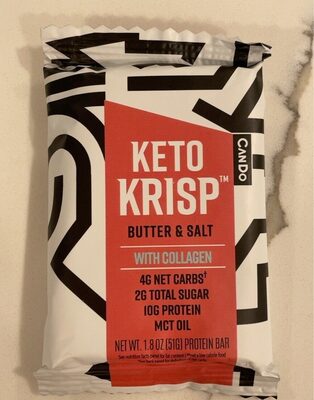 Elevate Brands LLC
Butter & Salt With Collagen Krisp Protein Bar, Butter & Salt
High in saturated fat — 45% DV per serving
471kcal
19.6Protein
37.2Fat
33.3Carbs
Elevate Brands LLC
Butter & Salt With Collagen Krisp Protein Bar, Butter & Salt
High in saturated fat — 45% DV per serving
471kcal
19.6Protein
37.2Fat
33.3Carbs