Bumped Japonica Rice
What is Bumped Japonica Rice?
Bumped Japonica rice is a type of short-grain japonica rice that has been puffed or expanded through a heating process. This process makes the grains lighter and crispier, similar to how rice cakes are made. It is a variety of rice grown in Asia.
Is Bumped Japonica Rice vegan?
Bumped Japonica Rice is not animal-derived. Products that contain it can still include other animal-derived ingredients, so check the full ingredient list.
Is Bumped Japonica Rice gluten-free?
It does not contain gluten.
Is Bumped Japonica Rice a major allergen?
Rice is not one of the nine major allergens recognized by the FDA.
What is Bumped Japonica Rice used for?
Manufacturers use bumped japonica rice to add a light, crispy texture to snack foods.
Is Bumped Japonica Rice safe?
Bumped japonica rice is a whole grain and a source of carbohydrates.
Why it's used
Manufacturers use bumped japonica rice to add a light, crispy texture to snack foods. It is often found in rice crackers, snack mixes, and other savory snacks. Its neutral flavor allows it to be seasoned in various ways.
Health notes
Bumped japonica rice is a whole grain and a source of carbohydrates. It is generally considered safe for consumption. Regulatory bodies like the FDA have not set specific limits for this type of rice, and it is not typically evaluated by international bodies like EFSA or JECFA as a specific additive. Like all grains, it should be consumed as part of a balanced diet.
Allergen info
Rice is not one of the nine major allergens recognized by the FDA. It does not contain gluten.
Foods that contain Bumped Japonica Rice
Compare products →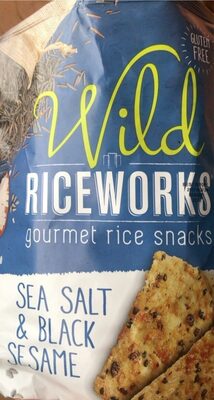 Wholesome Goodness, LLC
Sea Salt Brown & Golden Flax Wild Gourmet Rice Snacks, Sea Salt, Brown & Golden Flax
500kcal
7.1Protein
25Fat
60.7Carbs
Shearer's Foods LLC
Black Japonica Gourmet Rice Snacks, Black Japonica Rice
500kcal
7.1Protein
21.4Fat
71.4Carbs
Shearer's Foods LLC
Wild Gourmet Rice Snacks, Black Japonica Rice
500kcal
7.1Protein
21.4Fat
71.4Carbs
Wholesome Goodness, LLC
Sea Salt Brown & Golden Flax Wild Gourmet Rice Snacks, Sea Salt, Brown & Golden Flax
500kcal
7.1Protein
25Fat
60.7Carbs
Shearer's Foods LLC
Black Japonica Gourmet Rice Snacks, Black Japonica Rice
500kcal
7.1Protein
21.4Fat
71.4Carbs
Shearer's Foods LLC
Wild Gourmet Rice Snacks, Black Japonica Rice
500kcal
7.1Protein
21.4Fat
71.4Carbs
Learn more
Auto-generated content. This description was generated automatically and is pending editorial review. Inaccuracies are possible. Found a mistake? Contact us.