Burnt Sugar
What is Burnt Sugar?
Burnt sugar is a form of caramel made by heating sugar until it turns brown and develops a distinct flavor. The heating process causes the sugar molecules to break down and reform into new compounds, creating a rich, slightly bitter taste and a deep brown color.
Is Burnt Sugar vegan?
Burnt Sugar is not animal-derived. Products that contain it can still include other animal-derived ingredients, so check the full ingredient list.
Is Burnt Sugar gluten-free?
It does not contain gluten.
Is Burnt Sugar a major allergen?
Burnt sugar is derived from sugar and is not a major allergen.
What is Burnt Sugar used for?
Manufacturers use burnt sugar primarily as a coloring agent and flavoring.
Is Burnt Sugar safe?
Burnt sugar is generally recognized as safe (GRAS) by the FDA when used as a food ingredient.
Why it's used
Manufacturers use burnt sugar primarily as a coloring agent and flavoring. It imparts a deep brown hue and a complex, slightly bitter, toasty flavor to foods like baked goods, confectionery, and beverages. It is often found in cookies, chocolates, ice cream, and cereals.
Health notes
Burnt sugar is generally recognized as safe (GRAS) by the FDA when used as a food ingredient. It is essentially a form of caramelized sugar and does not pose health risks at typical consumption levels. International bodies like JECFA have evaluated caramel colors, and while they have established acceptable daily intakes for some forms, burnt sugar itself is not typically regulated with a specific numeric limit. Evidence does not suggest adverse health effects from its use in food.
Allergen info
Burnt sugar is derived from sugar and is not a major allergen. It does not contain gluten.
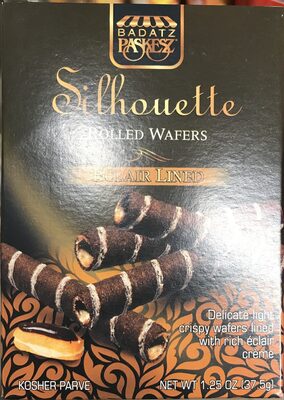
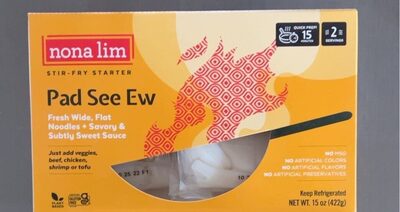
Foods that contain Burnt Sugar
Compare products →



Learn more
Auto-generated content. This description was generated automatically and is pending editorial review. Inaccuracies are possible. Found a mistake? Contact us.