Butter Crackers
What is Butter Crackers?
Butter crackers are a type of baked snack made primarily from flour, butter, and salt. They are typically thin and crisp, with a savory flavor profile. The baking process gives them their characteristic texture and taste.
Is Butter Crackers vegan?
No. Butter Crackers is animal-derived, so it is not vegan.
Is Butter Crackers gluten-free?
They do not contain gluten unless wheat flour is used, in which case they would not be gluten-free.
Is Butter Crackers a major allergen?
Butter is derived from milk, which is one of the 9 FDA major allergens.
What is Butter Crackers used for?
Butter crackers are often used as a base for dips and spreads, or as a component in snack mixes and lunch kits.
Is Butter Crackers safe?
Butter crackers are generally considered safe for consumption.
Why it's used
Butter crackers are often used as a base for dips and spreads, or as a component in snack mixes and lunch kits. Manufacturers include them for their appealing taste and crunchy texture. They are commonly found in snack packs, cheese platters, and as a side with soups and salads.
Health notes
Butter crackers are generally considered safe for consumption. The FDA lists butter as Generally Recognized As Safe (GRAS). While butter contains saturated fat, the Dietary Guidelines for Americans recommend limiting saturated fat intake to less than 10% of daily calories. Excessive consumption of any snack food high in calories, sodium, or added sugars may contribute to health concerns.
Allergen info
Butter is derived from milk, which is one of the 9 FDA major allergens. Therefore, butter crackers are not suitable for individuals with a milk allergy. They do not contain gluten unless wheat flour is used, in which case they would not be gluten-free.
Foods that contain Butter Crackers
Compare products →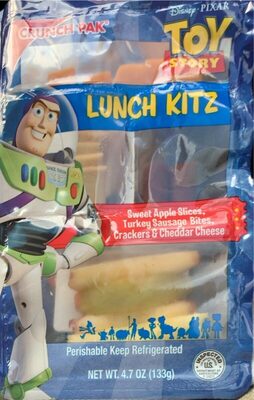 Crunch Pak Holding Company, LLC
Sweet Apple Slices, Turkey Bites, Crackers & Cheddar Cheese Lunch Kitz, Sweet Apple Slices, Turkey Bites, Crackers & Cheddar Cheese
High in sodium — 22% DV per serving
High in saturated fat — 30% DV per serving
203kcal
8.3Protein
9.0Fat
20.3Carbs
Crunch Pak Holding Company, LLC
Apples, Blueberries, Imported Marcona Almonds, Aged Cheddar Cheese, Himalayan Salted Artisan Crackers, Caramel Dip Char Fruiterie, Aged Cheddar, Himalayan Salted, Caramel
High in saturated fat — 25% DV per serving
210kcal
5Protein
11Fat
24Carbs
Relish Labs LLC
Chipotle BBQ Beef Meatloaf With Cheddar Broccoli And Potatoes, Cheddar Broccoli And Potatoes
High in sodium — 63% DV per serving
High in saturated fat — 80% DV per serving
High in cholesterol — 42% DV per serving
165kcal
9.1Protein
8.6Fat
12.8Carbs
Crunch Pak Holding Company, LLC
Sweet Apple Slices, Turkey Bites, Crackers & Cheddar Cheese Lunch Kitz, Sweet Apple Slices, Turkey Bites, Crackers & Cheddar Cheese
High in sodium — 22% DV per serving
High in saturated fat — 30% DV per serving
203kcal
8.3Protein
9.0Fat
20.3Carbs
Crunch Pak Holding Company, LLC
Apples, Blueberries, Imported Marcona Almonds, Aged Cheddar Cheese, Himalayan Salted Artisan Crackers, Caramel Dip Char Fruiterie, Aged Cheddar, Himalayan Salted, Caramel
High in saturated fat — 25% DV per serving
210kcal
5Protein
11Fat
24Carbs
Relish Labs LLC
Chipotle BBQ Beef Meatloaf With Cheddar Broccoli And Potatoes, Cheddar Broccoli And Potatoes
High in sodium — 63% DV per serving
High in saturated fat — 80% DV per serving
High in cholesterol — 42% DV per serving
165kcal
9.1Protein
8.6Fat
12.8Carbs
Learn more
Auto-generated content. This description was generated automatically and is pending editorial review. Inaccuracies are possible. Found a mistake? Contact us.