Cabernet Wine
What is Cabernet Wine?
Cabernet wine is an alcoholic beverage made from dark-skinned Cabernet Sauvignon grapes. The grapes are fermented, a process where yeast converts sugars into alcohol and carbon dioxide. Aging in barrels, often oak, can further develop its flavor and aroma.
Is Cabernet Wine gluten-free?
It does not contain gluten.
Is Cabernet Wine a major allergen?
Wine is not derived from any of the 9 FDA major allergens.
What is Cabernet Wine used for?
Cabernet wine is primarily used as a flavoring agent in foods, adding a complex, fruity, and sometimes tannic taste.
Is Cabernet Wine safe?
Wine, including Cabernet, contains alcohol, which is a toxin and a carcinogen.
Why it's used
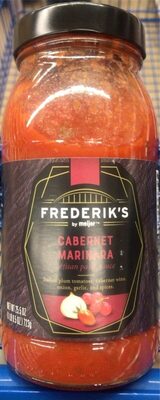
Cabernet wine is primarily used as a flavoring agent in foods, adding a complex, fruity, and sometimes tannic taste. It is commonly found in sauces, marinades, stews, and desserts, particularly those with red meat or rich flavors.
Health notes
Wine, including Cabernet, contains alcohol, which is a toxin and a carcinogen. Moderate alcohol consumption has been linked to some cardiovascular benefits by WHO/IARC, but also to increased risk of certain cancers. The FDA does not specifically regulate wine as a food additive but oversees its production and labeling as an alcoholic beverage. JECFA has evaluated alcohol and set an acceptable daily intake.
Allergen info
Wine is not derived from any of the 9 FDA major allergens. It does not contain gluten.
Foods that contain Cabernet Wine
Compare products →


Learn more
Auto-generated content. This description was generated automatically and is pending editorial review. Inaccuracies are possible. Found a mistake? Contact us.