Caffeine Citrate
What is Caffeine Citrate?
Caffeine citrate is a salt made from caffeine and citric acid. It is often used in medications and beverages for its stimulant effects. It can be synthesized or derived from natural sources.
Is Caffeine Citrate vegan?
Caffeine Citrate is not animal-derived. Products that contain it can still include other animal-derived ingredients, so check the full ingredient list.
Is Caffeine Citrate gluten-free?
It does not contain gluten.
Is Caffeine Citrate a major allergen?
Caffeine citrate is not derived from any of the nine FDA major allergens.
What is Caffeine Citrate used for?
Caffeine citrate is added to foods and drinks primarily for its stimulant properties, helping to increase alertness and reduce fatigue.
Is Caffeine Citrate safe?
In the US, caffeine is generally recognized as safe (GRAS) by the FDA when used as intended.
Why it's used
Caffeine citrate is added to foods and drinks primarily for its stimulant properties, helping to increase alertness and reduce fatigue. It is commonly found in energy drinks, sodas, and some dietary supplements.
Health notes
In the US, caffeine is generally recognized as safe (GRAS) by the FDA when used as intended. The FDA has also approved caffeine citrate as a drug for treating apnea of prematurity in infants. Regulatory bodies like JECFA and EFSA have evaluated caffeine, noting its stimulant effects. High intake can lead to jitteriness, anxiety, and sleep disturbances in some individuals.
Allergen info
Caffeine citrate is not derived from any of the nine FDA major allergens. It does not contain gluten.
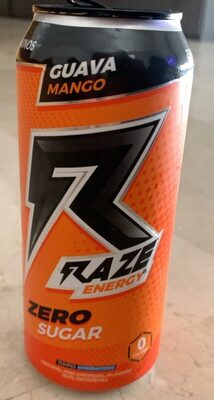
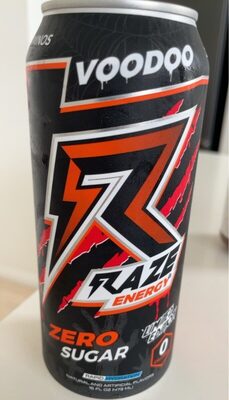
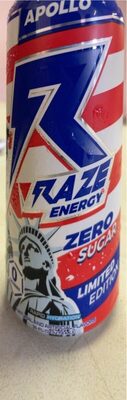
Foods that contain Caffeine Citrate
Compare products →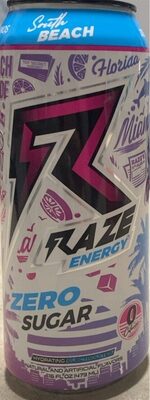

Auto-generated content. This description was generated automatically and is pending editorial review. Inaccuracies are possible. Found a mistake? Contact us.