Alpha -gpc
What is Alpha -gpc?
Alpha-GPC, or alpha-glycerylphosphorylcholine, is a naturally occurring compound found in the brain and in soy. It is also synthesized from soy or egg lecithin for use in supplements and foods. It is a source of choline, which is important for brain health.
Is Alpha -gpc a major allergen?
Alpha-GPC is typically derived from soy or egg, which are among the FDA's major allergens.
What is Alpha -gpc used for?
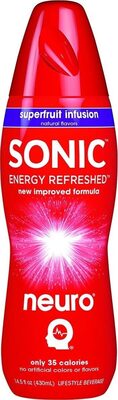
Alpha-GPC is often added to beverages, including teas and lifestyle drinks, as a dietary supplement ingredient.
Is Alpha -gpc safe?
In the US, Alpha-GPC is generally recognized as safe (GRAS) when used as a dietary ingredient.
Why it's used
Alpha-GPC is often added to beverages, including teas and lifestyle drinks, as a dietary supplement ingredient. It is used to boost the choline content of foods and drinks, with the aim of supporting cognitive function.
Health notes
In the US, Alpha-GPC is generally recognized as safe (GRAS) when used as a dietary ingredient. Regulatory bodies like the European Food Safety Authority (EFSA) have evaluated choline compounds, but specific evaluations for Alpha-GPC in food applications may vary. Research into its effects on cognitive function is ongoing, with some studies suggesting potential benefits, while others show mixed results. More research is needed to fully understand its impact at typical dietary intake levels.
Allergen info
Alpha-GPC is typically derived from soy or egg, which are among the FDA's major allergens. Consumers with soy or egg allergies should exercise caution.
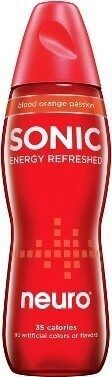
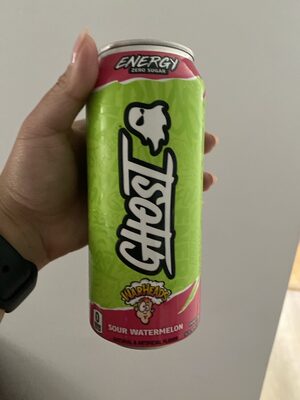
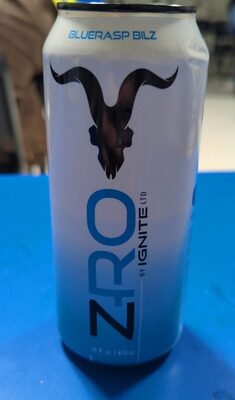
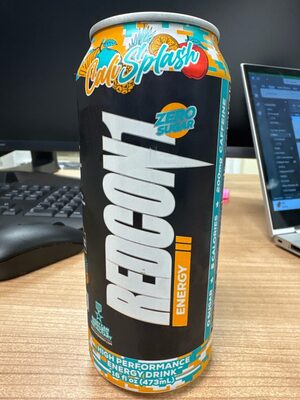
Foods that contain Alpha -gpc
Compare products →









Learn more
Auto-generated content. This description was generated automatically and is pending editorial review. Inaccuracies are possible. Found a mistake? Contact us.