Calcium Disodium EDTA Added To Protect Color
What is Calcium Disodium EDTA Added To Protect Color?
Calcium disodium EDTA is a synthetic compound that acts as a chelating agent. It is made by reacting ethylenediamine with sodium chloroacetate and then with calcium chloride.
Is Calcium Disodium EDTA Added To Protect Color vegan?
Calcium Disodium EDTA Added To Protect Color is not animal-derived. Products that contain it can still include other animal-derived ingredients, so check the full ingredient list.
Is Calcium Disodium EDTA Added To Protect Color a major allergen?
Not a major allergen.
What is Calcium Disodium EDTA Added To Protect Color used for?
Manufacturers add calcium disodium EDTA to foods to protect color and prevent spoilage by binding with metal ions.
Is Calcium Disodium EDTA Added To Protect Color safe?
Calcium disodium EDTA is FDA-approved as a food additive.
Why it's used
Manufacturers add calcium disodium EDTA to foods to protect color and prevent spoilage by binding with metal ions. It is often found in salad dressings, mayonnaise, and sauces.
Health notes
Calcium disodium EDTA is FDA-approved as a food additive. The Joint FAO/WHO Expert Committee on Food Additives (JECFA) has evaluated it and established an acceptable daily intake. It is generally recognized as safe (GRAS) by the FDA when used as permitted in food. Studies have shown it can bind to minerals in the body, but this is not considered a health concern at typical dietary levels.
Allergen info
Not a major allergen.
Foods that contain Calcium Disodium EDTA Added To Protect Color
Compare products →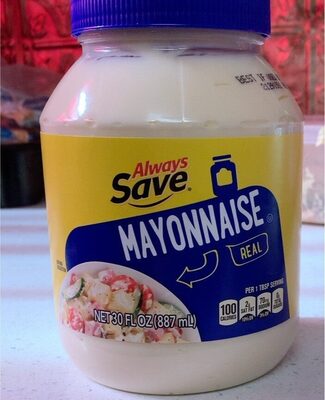
Learn more
Auto-generated content. This description was generated automatically and is pending editorial review. Inaccuracies are possible. Found a mistake? Contact us.