Callaloo
What is Callaloo?
Callaloo is a leafy green vegetable dish popular in the Caribbean and West Africa. It is typically made from the leaves of the taro plant (also known as dasheen or malanga), amaranth, or similar greens. The leaves are cooked down with ingredients like onions, tomatoes, peppers, and sometimes coconut milk or okra.
Is Callaloo vegan?
Callaloo is not animal-derived. Products that contain it can still include other animal-derived ingredients, so check the full ingredient list.
Is Callaloo gluten-free?
It does not contain gluten.
Is Callaloo a major allergen?
Callaloo is not derived from any of the 9 FDA major allergens.
What is Callaloo used for?
Callaloo is primarily used as a flavorful side dish or stew in Caribbean cuisine.
Is Callaloo safe?
Callaloo is a food ingredient and not an additive regulated by the FDA.
Why it's used
Callaloo is primarily used as a flavorful side dish or stew in Caribbean cuisine. Manufacturers may include it in packaged foods to provide a distinct, savory, and slightly earthy flavor profile. It is most commonly found in canned vegetables, soups, and sometimes in specialty meat or seafood dishes.
Health notes
Callaloo is a food ingredient and not an additive regulated by the FDA. It is a source of vitamins and minerals. No major health organizations like JECFA or EFSA have evaluated callaloo as a food additive. As a vegetable dish, its health implications are generally considered positive due to its nutrient content.
Allergen info
Callaloo is not derived from any of the 9 FDA major allergens. It does not contain gluten.
Foods that contain Callaloo
Compare products →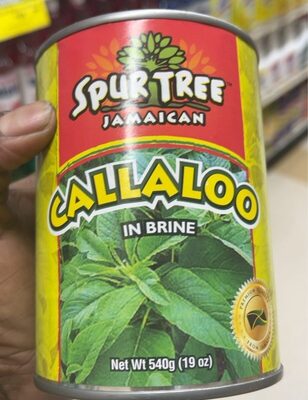
Auto-generated content. This description was generated automatically and is pending editorial review. Inaccuracies are possible. Found a mistake? Contact us.