Camu Camu
What is Camu Camu?
Camu camu is a small, tart, reddish-purple berry that grows on trees in the Amazon rainforest. It is typically harvested and then processed into a powder or extract for use in food products. The processing usually involves drying and grinding the fruit.
Is Camu Camu vegan?
Camu Camu is not animal-derived. Products that contain it can still include other animal-derived ingredients, so check the full ingredient list.
Is Camu Camu gluten-free?
It does not contain gluten.
Is Camu Camu a major allergen?
Camu camu is not one of the nine major allergens recognized by the FDA.
What is Camu Camu used for?
Camu camu is added to foods primarily for its nutritional content, especially its high vitamin C.
Is Camu Camu safe?
Camu camu is generally recognized as safe (GRAS) by the FDA when used as a food ingredient.
Why it's used
Camu camu is added to foods primarily for its nutritional content, especially its high vitamin C. It can also contribute a tart, fruity flavor. It is found in beverages, supplements, and some snack products.
Health notes
Camu camu is generally recognized as safe (GRAS) by the FDA when used as a food ingredient. It is a rich source of vitamin C, which is an essential nutrient that supports the immune system. Some research suggests camu camu may have antioxidant properties, but more studies are needed to confirm these effects. JECFA has evaluated camu camu and noted its vitamin C content.
Allergen info
Camu camu is not one of the nine major allergens recognized by the FDA. It does not contain gluten.
Foods that contain Camu Camu
Compare products →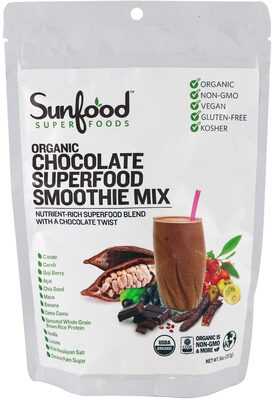
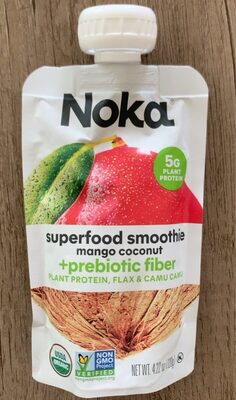
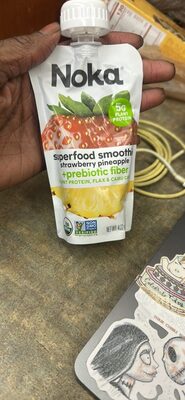
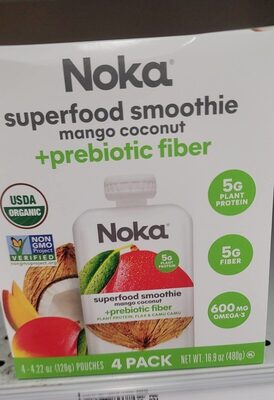
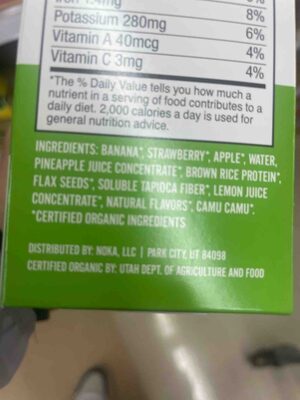 NOKA
Strawberry Pineapple Superfood Smoothie, Strawberry Pineapple
100kcal
4.2Protein
1.2Fat
20Carbs
Auto-generated content. This description was generated automatically and is pending editorial review. Inaccuracies are possible. Found a mistake? Contact us.