Candy Cane
What is Candy Cane?
A candy cane is a hard candy, traditionally shaped like a shepherd's crook. It is typically made from sugar, corn syrup, and peppermint oil, which gives it its characteristic flavor. The candy is often striped with white and red.
Is Candy Cane vegan?
Candy Cane is not animal-derived. Products that contain it can still include other animal-derived ingredients, so check the full ingredient list.
Is Candy Cane gluten-free?
They do not contain gluten.
Is Candy Cane a major allergen?
Candy canes are not derived from any of the nine FDA major allergens.
What is Candy Cane used for?
Candy canes are primarily used as a confectionery item, especially during the holiday season.
Is Candy Cane safe?
Candy canes are primarily a source of sugar.
Why it's used
Candy canes are primarily used as a confectionery item, especially during the holiday season. The peppermint oil provides a distinct flavor and aroma, while the sugar acts as a sweetener. They are often found in candies, baked goods, and sometimes as a decorative element.
Health notes
Candy canes are primarily a source of sugar. The U.S. Food and Drug Administration (FDA) considers the ingredients used in traditional candy canes, such as sugar and peppermint oil, to be generally recognized as safe (GRAS) for their intended use. Excessive consumption of sugar can contribute to health issues like weight gain and dental problems. Regulatory bodies like the Joint FAO/WHO Expert Committee on Food Additives (JECFA) and the European Food Safety Authority (EFSA) have evaluated many of the individual components of candy canes, but not the candy as a whole. Evidence does not suggest adverse health effects from typical consumption.
Allergen info
Candy canes are not derived from any of the nine FDA major allergens. They do not contain gluten.
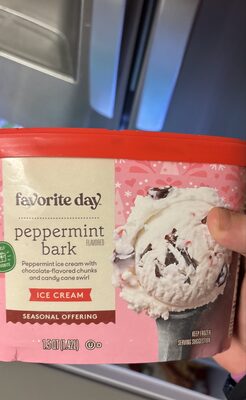
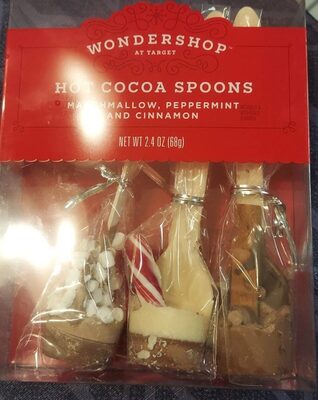
Foods that contain Candy Cane
Compare products →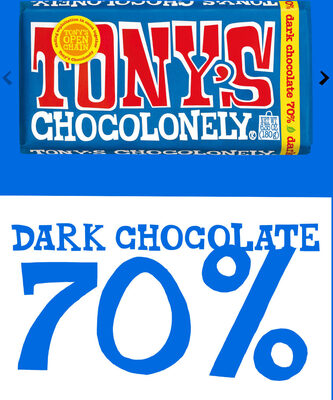
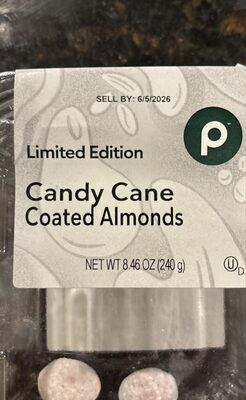
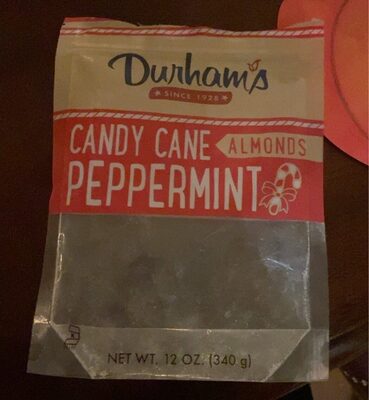
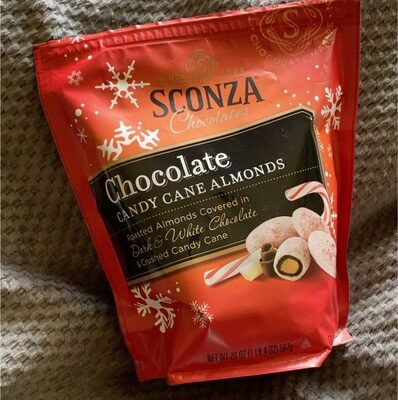
Learn more
Auto-generated content. This description was generated automatically and is pending editorial review. Inaccuracies are possible. Found a mistake? Contact us.