Cane Sugar Molasses
What is Cane Sugar Molasses?
Cane sugar molasses is a thick, dark syrup produced during the refining of sugarcane into sugar. It is a byproduct of sugar crystallization, with darker molasses resulting from later boiling stages. It contains sugars, water, and minerals left over after sugar crystals are removed.
Is Cane Sugar Molasses vegan?
Cane Sugar Molasses is not animal-derived. Products that contain it can still include other animal-derived ingredients, so check the full ingredient list.
Is Cane Sugar Molasses gluten-free?
It does not contain gluten.
Is Cane Sugar Molasses a major allergen?
Molasses is not derived from any of the 9 FDA major allergens.
What is Cane Sugar Molasses used for?
Manufacturers use molasses as a sweetener and to add a distinct rich, slightly bitter flavor and dark color to foods.
Is Cane Sugar Molasses safe?
In the U.S., molasses is generally recognized as safe (GRAS) by the FDA when used as a food ingredient.
Why it's used
Manufacturers use molasses as a sweetener and to add a distinct rich, slightly bitter flavor and dark color to foods. It is commonly found in baked goods like gingerbread and cookies, as well as in candies, sauces, and marinades.
Health notes
In the U.S., molasses is generally recognized as safe (GRAS) by the FDA when used as a food ingredient. It contains some minerals like iron and calcium, but typically in small amounts relative to daily needs. International bodies like JECFA have evaluated molasses, and it is not associated with significant health concerns when consumed in moderation as part of a balanced diet.
Allergen info
Molasses is not derived from any of the 9 FDA major allergens. It does not contain gluten.
Foods that contain Cane Sugar Molasses
Compare products →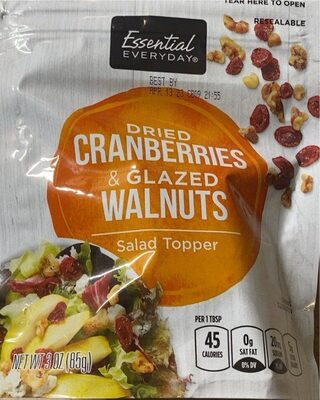
Learn more
Auto-generated content. This description was generated automatically and is pending editorial review. Inaccuracies are possible. Found a mistake? Contact us.