Caper Berries
What is Caper Berries?
Caper berries are the unopened flower buds of the caper plant (Capparis spinosa). They are larger and have a more intense flavor than capers, which are the pickled buds. Caper berries are typically preserved in brine or vinegar.
Is Caper Berries vegan?
Caper Berries is not animal-derived. Products that contain it can still include other animal-derived ingredients, so check the full ingredient list.
Is Caper Berries gluten-free?
They do not contain gluten.
Is Caper Berries a major allergen?
Caper berries are not derived from any of the 9 major allergens recognized by the FDA.
What is Caper Berries used for?
Caper berries are often used as a garnish or ingredient in salads, antipasto platters, and as a topping for pizzas and seafood.
Is Caper Berries safe?
Caper berries are generally recognized as safe (GRAS) by the FDA when used as food.
Why it's used
Caper berries are often used as a garnish or ingredient in salads, antipasto platters, and as a topping for pizzas and seafood. Their briny, slightly peppery flavor adds a unique taste to dishes.
Health notes
Caper berries are generally recognized as safe (GRAS) by the FDA when used as food. They are a source of antioxidants and have been studied for potential anti-inflammatory properties. JECFA has evaluated capers and caper products, but no specific health claims are associated with typical consumption levels of caper berries. Evidence regarding specific health benefits is still developing.
Allergen info
Caper berries are not derived from any of the 9 major allergens recognized by the FDA. They do not contain gluten.
Foods that contain Caper Berries
Compare products →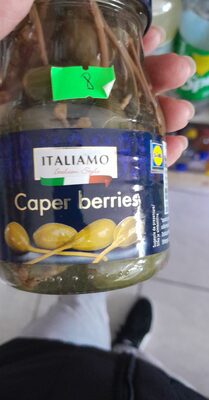
Auto-generated content. This description was generated automatically and is pending editorial review. Inaccuracies are possible. Found a mistake? Contact us.