Caramel: Food Color
What is Caramel: Food Color?
Caramel color is made by heating carbohydrates, usually with acids, alkalis, or sulfites. This process creates a range of brown hues, from light yellow-brown to dark brown. It is one of the most widely used food colorings globally.
Is Caramel: Food Color gluten-free?
It does not contain gluten.
Is Caramel: Food Color a major allergen?
Caramel color is not derived from any of the 9 major allergens.
What is Caramel: Food Color used for?
Manufacturers add caramel color to provide or enhance brown coloration in a variety of foods and beverages.
Is Caramel: Food Color safe?
Caramel color is generally recognized as safe (GRAS) by the FDA for use in food.
Why it's used
Manufacturers add caramel color to provide or enhance brown coloration in a variety of foods and beverages. It is commonly found in baked goods, sauces, gravies, soft drinks, and confectionery. Its function is purely for visual appeal, giving products a desirable color.
Health notes
Caramel color is generally recognized as safe (GRAS) by the FDA for use in food. Some forms of caramel color, specifically Class III and IV, contain compounds like 4-MEI, which have raised concerns. However, regulatory bodies like the FDA and EFSA have reviewed caramel color and found it safe at typical consumption levels. JECFA has also evaluated caramel colors. While some studies have investigated potential health effects, the consensus among major regulatory agencies is that caramel color is safe for consumption.
Allergen info
Caramel color is not derived from any of the 9 major allergens. It does not contain gluten.
Foods that contain Caramel: Food Color
Compare products →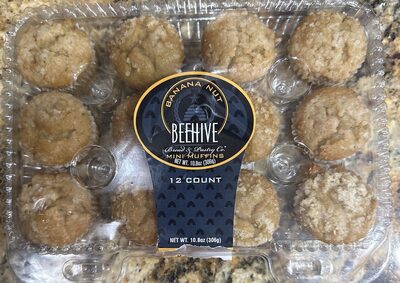 Associated Food Stores, Inc.
Banana Nut Mini Muffin, Banana Nut
High in saturated fat — 22% DV per serving
High in added sugars — 44% DV per serving
—kcal
3.9Protein
21.6Fat
43.1Carbs
Associated Food Stores, Inc.
Banana Nut Mini Muffin, Banana Nut
High in saturated fat — 22% DV per serving
High in added sugars — 44% DV per serving
—kcal
3.9Protein
21.6Fat
43.1Carbs
 Piedmont Candy Company Inc.
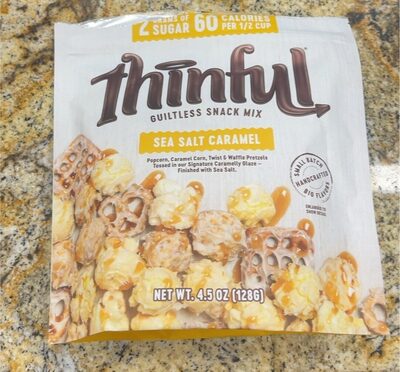
Sea Salt Caramel Guiltless Snack Mix, Sea Salt Caramel
429kcal
7.1Protein
21.4Fat
64.3Carbs
Scripture Creations, LLC
Isabela, Ice Cream Cones
325kcal
7.5Protein
5Fat
50Carbs
Overseas Food Dist Inc.
Pickled Garlic
114kcal
3.6Protein
0Fat
25Carbs
Piedmont Candy Company Inc.
Sea Salt Caramel Guiltless Snack Mix, Sea Salt Caramel
429kcal
7.1Protein
21.4Fat
64.3Carbs
Scripture Creations, LLC
Isabela, Ice Cream Cones
325kcal
7.5Protein
5Fat
50Carbs
Overseas Food Dist Inc.
Pickled Garlic
114kcal
3.6Protein
0Fat
25Carbs
Learn more
Auto-generated content. This description was generated automatically and is pending editorial review. Inaccuracies are possible. Found a mistake? Contact us.