Caramel Sugar
What is Caramel Sugar?
Caramel sugar, also known as burnt sugar, is made by heating sugar until it turns brown. This process creates a range of colors from light yellow to dark brown and imparts a distinct flavor.
Is Caramel Sugar vegan?
Caramel Sugar is not animal-derived. Products that contain it can still include other animal-derived ingredients, so check the full ingredient list.
Is Caramel Sugar gluten-free?
It does not contain gluten.
Is Caramel Sugar a major allergen?
Caramel sugar is not derived from any of the nine major allergens.
What is Caramel Sugar used for?
Caramel sugar is used as a natural coloring agent and flavoring in a wide variety of foods.
Is Caramel Sugar safe?
Caramel sugar is generally recognized as safe (GRAS) by the FDA for use as a food ingredient.
Why it's used
Caramel sugar is used as a natural coloring agent and flavoring in a wide variety of foods. It is commonly found in baked goods, candies, ice cream, and beverages to add a rich, sweet, and slightly bitter taste and a desirable brown hue.
Health notes
Caramel sugar is generally recognized as safe (GRAS) by the FDA for use as a food ingredient. It is primarily composed of sugars and does not have specific health concerns when consumed in typical amounts as part of a balanced diet. International bodies like JECFA have evaluated caramel colors, and they are permitted for use globally.
Allergen info
Caramel sugar is not derived from any of the nine major allergens. It does not contain gluten.
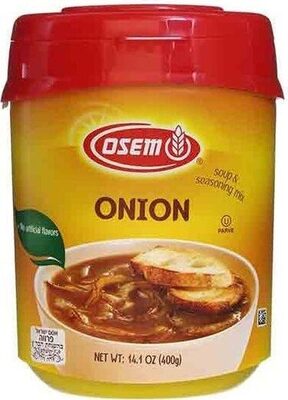
Foods that contain Caramel Sugar
Compare products →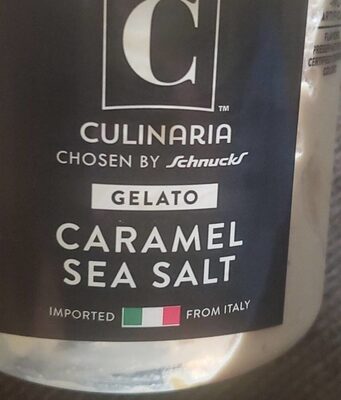
Learn more
Auto-generated content. This description was generated automatically and is pending editorial review. Inaccuracies are possible. Found a mistake? Contact us.