Caramelized Sugars
What is Caramelized Sugars?
Caramelized sugars are made by heating sugars, such as sucrose or glucose, until they turn brown. This process, called caramelization, creates a rich, deep brown color and a complex, slightly bitter flavor.
Is Caramelized Sugars vegan?
Caramelized Sugars is not animal-derived. Products that contain it can still include other animal-derived ingredients, so check the full ingredient list.
Is Caramelized Sugars gluten-free?
They do not contain gluten.
Is Caramelized Sugars a major allergen?
Caramelized sugars are not derived from major allergens.
What is Caramelized Sugars used for?
Manufacturers use caramelized sugars as a natural browning agent and flavor enhancer.
Is Caramelized Sugars safe?
Caramelized sugars are generally recognized as safe (GRAS) by the FDA when used as a food ingredient.
Why it's used
Manufacturers use caramelized sugars as a natural browning agent and flavor enhancer. They add a warm, toasty taste and a rich color to a variety of foods, including baked goods, desserts, sauces, and confectionery.
Health notes
Caramelized sugars are generally recognized as safe (GRAS) by the FDA when used as a food ingredient. They are primarily a source of carbohydrates. Regulatory bodies like JECFA and EFSA have evaluated caramel colors, which are derived from caramelized sugars, and have established acceptable daily intake levels. Evidence does not suggest adverse health effects from typical consumption of caramelized sugars.
Allergen info
Caramelized sugars are not derived from major allergens. They do not contain gluten.
Foods that contain Caramelized Sugars
Compare products →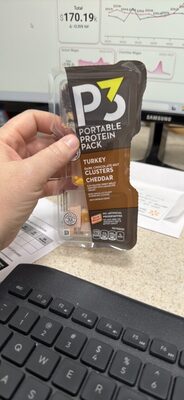 Kraft Heinz Foods Company
Oscar Mayer, P3 Portable Protein Pack Nut Clusters
High in saturated fat — 25% DV per serving
357kcal
19.6Protein
21.4Fat
19.6Carbs
Kraft Heinz Foods Company
Nut Clusters
High in saturated fat — 25% DV per serving
357kcal
19.6Protein
21.4Fat
19.6Carbs
Hy-Vee, Inc.
Caramel Panna Cotta Flan Traditional Italian Dessert Topped With A Light Coating Of Caramel
High in saturated fat — 55% DV per serving
High in added sugars — 46% DV per serving
240kcal
3Protein
14Fat
25Carbs
Kraft Heinz Foods Company
Oscar Mayer, P3 Portable Protein Pack Nut Clusters
High in saturated fat — 25% DV per serving
357kcal
19.6Protein
21.4Fat
19.6Carbs
Kraft Heinz Foods Company
Nut Clusters
High in saturated fat — 25% DV per serving
357kcal
19.6Protein
21.4Fat
19.6Carbs
Hy-Vee, Inc.
Caramel Panna Cotta Flan Traditional Italian Dessert Topped With A Light Coating Of Caramel
High in saturated fat — 55% DV per serving
High in added sugars — 46% DV per serving
240kcal
3Protein
14Fat
25Carbs
Learn more
Auto-generated content. This description was generated automatically and is pending editorial review. Inaccuracies are possible. Found a mistake? Contact us.