Carolina Reaper Pepper
Auto-generated content. This description was generated automatically and is pending editorial review. Inaccuracies are possible. Found a mistake? Contact us.
What it is
The Carolina Reaper is a cultivar of the chili pepper plant, Capsicum chinense. It originated in South Carolina and is known for its extreme heat. The peppers are typically dried and ground into a powder or used fresh in sauces and other food products.
Why it's used
Manufacturers use the Carolina Reaper primarily for its intense heat and distinctive flavor. It is added to foods to create a spicy sensation. It is found in a variety of products, including hot sauces, snacks, jerky, and condiments.
Health notes
The U.S. Food and Drug Administration (FDA) has not specifically evaluated the Carolina Reaper pepper as a food additive. Capsaicin, the compound responsible for the heat in chili peppers, can cause irritation to the mouth, throat, and stomach. While generally recognized as safe (GRAS) for consumption in amounts typically found in food, consuming very large quantities may lead to adverse gastrointestinal effects. International bodies like JECFA have evaluated capsaicinoids, but no specific evaluations for the Carolina Reaper pepper itself are widely published.
Allergen info
The Carolina Reaper pepper is not derived from any of the nine FDA major allergens. It does not contain gluten.
Products containing Carolina Reaper Pepper
Compare products →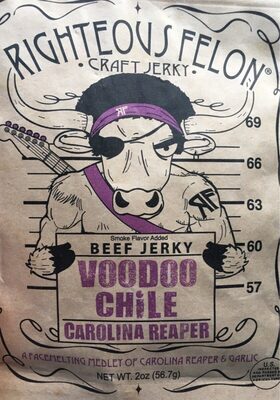 Righteous Felon, LLC
Voodoo Chile Carolina Reaper Beef Jerky, Voodoo Chile
214kcal
35.7Protein
3.6Fat
21.4Carbs
Righteous Felon, LLC
Voodoo Chile Carolina Reaper Beef Jerky, Voodoo Chile
214kcal
35.7Protein
3.6Fat
21.4Carbs
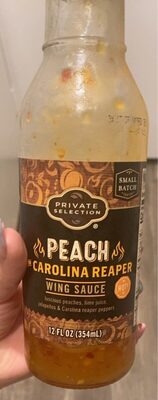 The Kroger Co.
Hot! Peach With Carolina Reaper Wing Sauce, Hot! Peach With Carolina Reaper
267kcal
0Protein
0Fat
60Carbs
Righteous Felon, LLC
Voodoo Chile Carolina Reaper Beef Jerky, Voodoo Chile
214kcal
35.7Protein
3.6Fat
21.4Carbs
The Kroger Co.
Hot! Peach With Carolina Reaper Wing Sauce, Hot! Peach With Carolina Reaper
267kcal
0Protein
0Fat
60Carbs
Righteous Felon, LLC
Voodoo Chile Carolina Reaper Beef Jerky, Voodoo Chile
214kcal
35.7Protein
3.6Fat
21.4Carbs
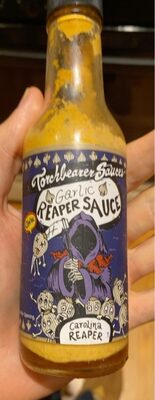 Torchbearer Sauces L.L.C.
Carolina Reaper Garlic Sauce, Carolina Reaper Garlic
321kcal
7.1Protein
28.6Fat
21.4Carbs
Amplify Snack Brands, Inc.
One Chip Challenge Black Tortilla Chip, One Chip Challenge
444kcal
0Protein
0Fat
88.9Carbs
Arizona Spice Company
Salsa
33kcal
3.3Protein
0Fat
6.7Carbs
Torchbearer Sauces L.L.C.
Carolina Reaper Garlic Sauce, Carolina Reaper Garlic
321kcal
7.1Protein
28.6Fat
21.4Carbs
Amplify Snack Brands, Inc.
One Chip Challenge Black Tortilla Chip, One Chip Challenge
444kcal
0Protein
0Fat
88.9Carbs
Arizona Spice Company
Salsa
33kcal
3.3Protein
0Fat
6.7Carbs
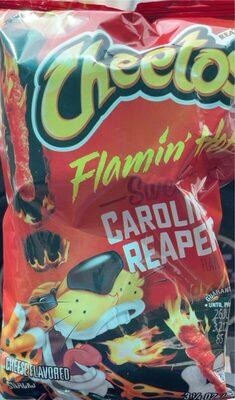 Frito-Lay Company
Flamin' Hot Sweet Carolina Reaper Cheese Flavored Snacks, Flamin' Hot Sweet Carolina Reaper Cheese
571kcal
3.6Protein
35.7Fat
57.1Carbs
Frito-Lay Company
Flamin' Hot Sweet Carolina Reaper Cheese Flavored Snacks, Flamin' Hot Sweet Carolina Reaper Cheese
571kcal
3.6Protein
35.7Fat
57.1Carbs